15 Amersham Hill, High Wycombe, HP13 6NR
15 Amersham Hill, High Wycombe, HP13 6NR
Sculpting Smiles with Precision and Artistry
We offer a number of techniques to enhance your smile through composite bonding including SmileFast, injection moulding techniques and freehand artistry.
15 Amersham Hill, High Wycombe, HP13 6NR
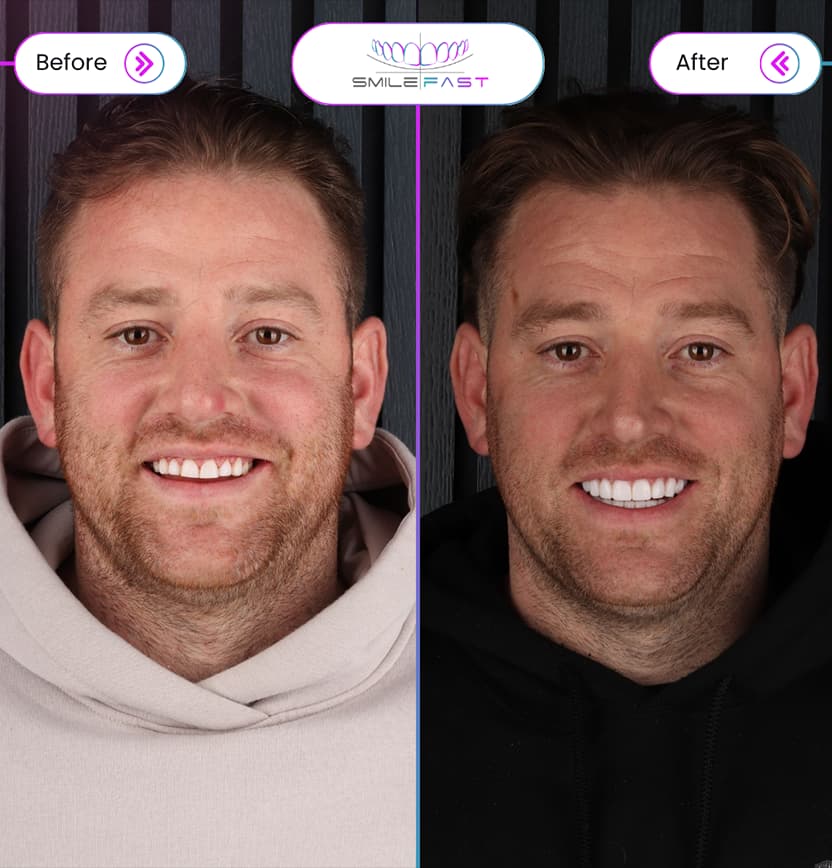
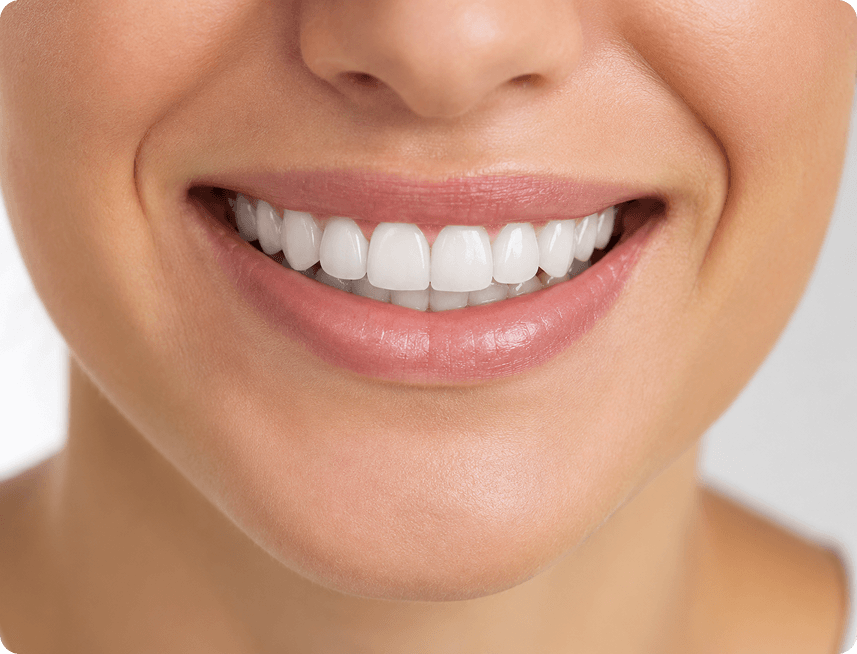
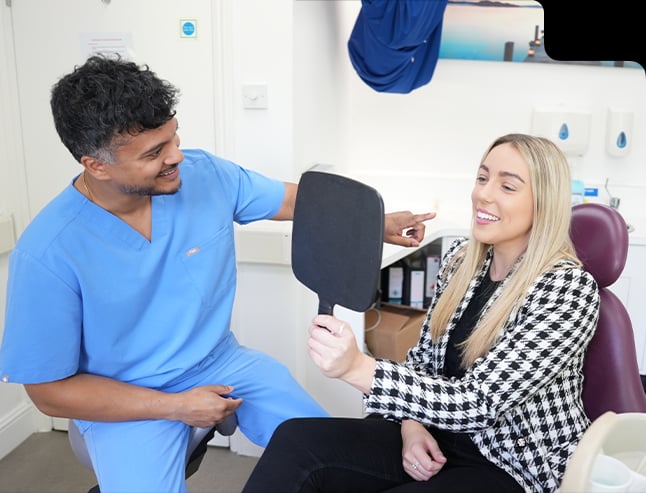
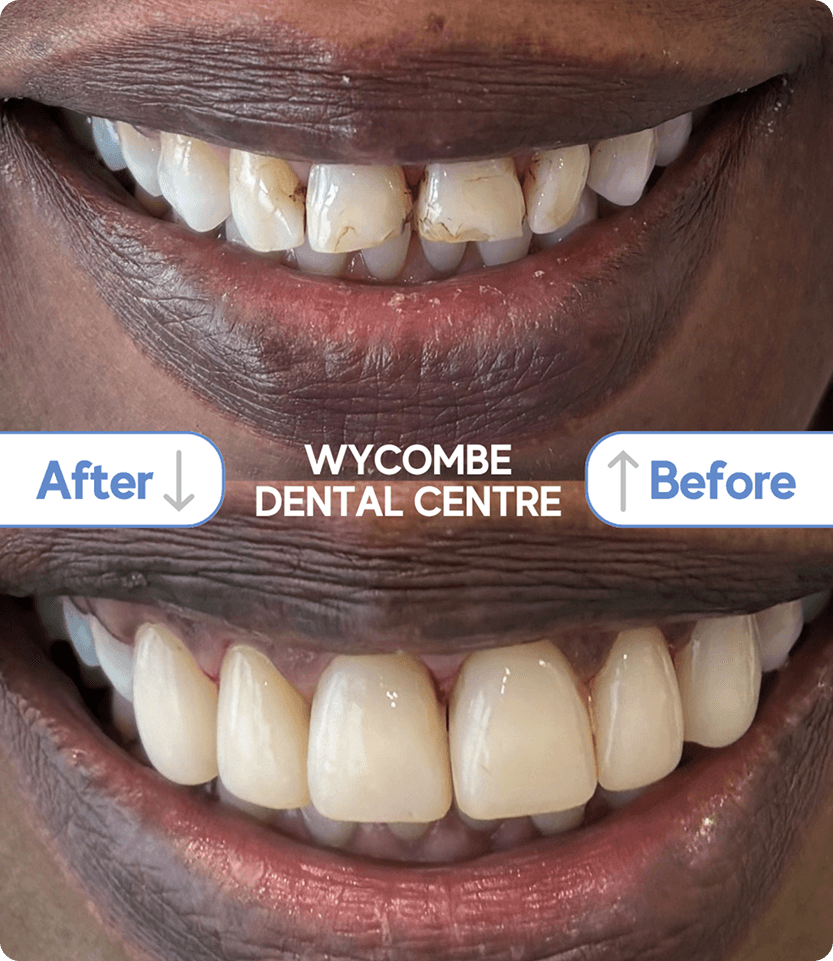
We'll start by discussing your smile goals and conducting a thorough dental examination before beginning the design process.
Next, we'll create a custom smile design and show you a preview photo of your future smile.
We'll apply a temporary material to your teeth, allowing you to "test drive" your new smile and ensure you're happy with the look.
Using a stent, we'll carefully apply the composite material to your teeth to shape and finalise your new smile.
The final step is polishing the bonded areas to a natural, tooth-like shine, completing your beautiful new smile.
Maintaining good oral hygiene and regular dental check-ups will keep your enhanced smile healthy and beautiful.


Composite bonding is usually minimally invasive, and little or no natural tooth structure may need to be removed. Your dentist will explain what is involved before treatment begins.
Composite bonding is usually minimally invasive and often does not need anaesthetic, as little or no natural tooth structure is removed. Some patients may feel mild sensitivity afterwards, but this is usually temporary. Your dentist will explain what to expect before treatment begins.
Composite bonding is often used to repair the appearance of small chips or worn edges on suitable teeth. The tooth-coloured resin is shaped and polished to blend with the surrounding teeth where possible. Your dentist will check the tooth first to make sure bonding is suitable and that there are no underlying problems.
If you want a brighter tooth shade, your dentist may recommend teeth whitening before bonding, as composite material does not whiten like natural enamel.
This varies depending on your bite, oral hygiene, diet and habits such as grinding or biting hard objects. Composite bonding may need polishing, repair or replacement over time.
Composite bonding may help close small gaps between suitable teeth, depending on the size of the gap, tooth shape, bite and overall smile balance. Your dentist will assess whether bonding can achieve a natural-looking result or whether another option, such as clear aligners or porcelain veneers, may be more appropriate.
Yes. Composite bonding can stain over time. Good oral hygiene, regular hygiene appointments and limiting staining foods or drinks can help maintain its appearance.
Composite bonding and porcelain veneers are used for different needs. Composite bonding may be more suitable for small chips, minor gaps, worn edges or subtle reshaping, while veneers may be considered for more involved cosmetic changes where suitable. Your dentist will assess your teeth, gums, bite and smile goals before explaining which option may be more appropriate for your case.
Our friendly team would love to hear from you.