Composite Bonding In Princes Risborough

If you live in Princes Risborough and are considering composite bonding, Wycombe Dental Centre provides consultations and treatment at its High Wycombe practice. Call 01494 442922 to discuss an assessment and the changes you would like to consider.

01494 442922

15 Amersham Hill, High Wycombe, HP13 6NR
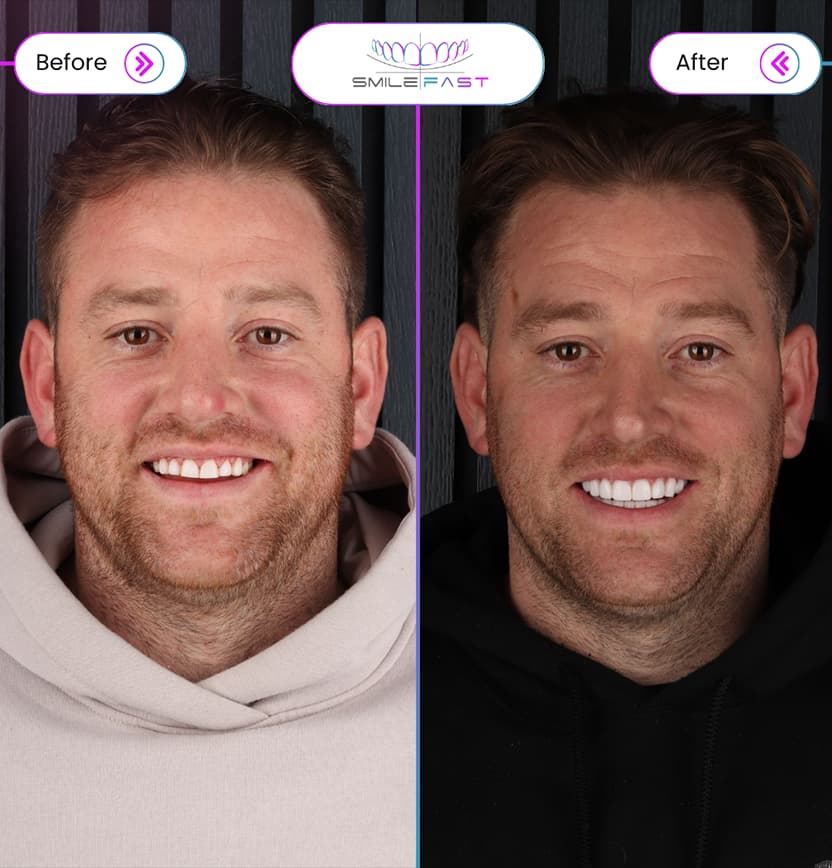
Composite Bonding Care For Princes Risborough

Patients from Princes Risborough can consider composite bonding at Wycombe Dental Centre, with consultations and treatment provided at the High Wycombe practice.

At your consultation, the dentist will assess your oral health, bite and treatment aims and explain whether composite bonding may be suitable before you decide whether to proceed.
image

What Composite Bonding Involves

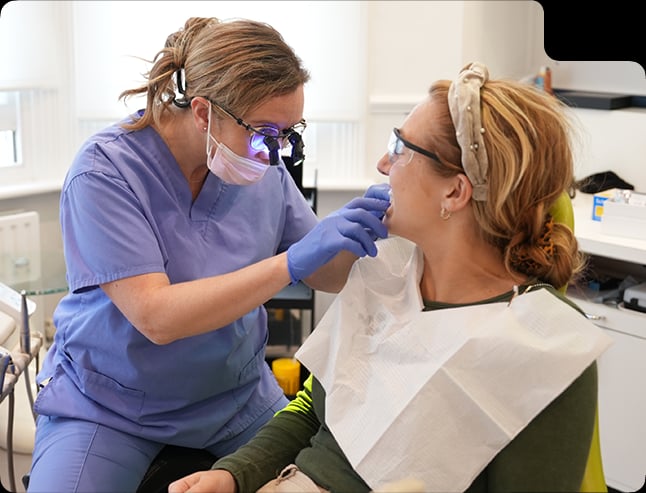
With composite bonding, tooth-coloured composite resin is used to make selected changes to tooth shape or to rebuild modest areas where treatment is suitable. The material is applied and shaped, hardened with a dental curing light and polished. Some cases may use a stent where appropriate as part of the chosen technique.

Preparation is not identical for every patient. The dentist will discuss whether any preparation is required and how the clinical findings influence the plan.

The assessment also considers whether there are oral-health, bite, alignment or structural concerns that should be managed first. Composite bonding is therefore planned only where the dentist considers it clinically appropriate, with the aims and limitations explained before treatment.

The aim is to make selected changes where clinically suitable while recognising that larger structural or alignment concerns may need a different approach. The dentist will explain how the proposed bonding relates to the rest of your oral health and bite.
image

When Composite Bonding May Be Suitable

Composite bonding may be considered for modest cosmetic concerns when clinically suitable, including:
  • Small chips
  • Minor gaps between teeth
  • Uneven or worn tooth edges
  • Selected refinements to tooth shape
Suitability depends on more than appearance alone. Before treatment, the dentist assesses the teeth, gums, bite and wider oral health. Untreated decay or gum disease may need attention first. Heavy grinding or clenching, significant alignment concerns or larger structural damage can also change the plan because bonding may not be the most appropriate way to manage the underlying issue.

The amount of tooth preparation varies by case. Your dentist will explain what, if any, preparation is proposed and why before you decide whether to proceed.

This assessment helps distinguish a modest cosmetic refinement from a concern that may be better managed with alignment, restorative treatment or no treatment. Suitability is individual, so the same visible concern can lead to a different recommendation depending on tooth condition, gum health and bite.
image

Our Approach To Composite Bonding

Composite bonding at Wycombe Dental Centre may involve SmileFast, injection moulding techniques or freehand artistry, depending on the case. The available approaches are not interchangeable for every patient, so the choice follows clinical assessment.

Our dental team considers the condition of the teeth and gums, your bite and your treatment aims when planning care. The proposed technique, realistic aims and limitations are explained before you decide whether to proceed.

SmileFast, injection moulding and freehand artistry are available approaches, not promises of a particular outcome. Your dentist will explain why a particular approach is being considered for your case and how it relates to the wider treatment plan.

The chosen approach is considered alongside the wider sequence of design, a trial smile or preview where appropriate, fitting, polishing and aftercare. This helps keep the technique within the overall clinical plan rather than treating the technique name as the treatment decision itself.
image

What To Expect From Treatment

Your treatment plan is based on assessment and the changes being considered. The process may include:
  • Consultation and clinical assessment
  • Design and treatment planning
  • A trial smile or preview where appropriate
  • Application and shaping of composite resin
  • Curing with a dental light and polishing
  • Aftercare and preservation advice
A stent may be used where appropriate depending on the chosen technique and case. The exact planning method, number of appointments and treatment timing vary, so the dentist will explain the sequence proposed for you after assessment.

A trial smile or preview is used only where appropriate and is not required for every case. During fitting, composite resin is applied or shaped, hardened with a dental curing light and polished. Aftercare then focuses on preserving the bonded areas and understanding the maintenance they may need over time.
image

Planning, Alternatives And Aftercare

Informed consent includes a discussion of realistic aims, limitations, alternatives, likely maintenance and fees. Treatment fees vary with the number of teeth, complexity and technique, with a personalised estimate confirmed after assessment.

Whitening may be considered before bonding if you would like a brighter natural tooth shade. Existing composite resin does not whiten like natural tooth structure, which means shade sequencing may influence the plan.

Composite may stain, discolour, wear or chip and can require polishing, repair or replacement over time. Oral hygiene, dental reviews and consideration of grinding or clenching are relevant to maintenance.

Alternatives can include no treatment, professional whitening, Invisalign clear aligners, porcelain veneers or other restorative care where appropriate. Your dentist will explain how the options relate to the concern being assessed.

Before you consent, the discussion should leave you clear about realistic aims, limitations, maintenance, alternatives and personalised fees. Composite bonding is not permanent and may require future polishing, repair or replacement, so those considerations form part of treatment planning rather than being left until after fitting.
image

Visiting Our High Wycombe Practice

Wycombe Dental Centre is at 15 Amersham Hill, High Wycombe, HP13 6NR. Consultations and treatment described on this page are provided at the High Wycombe practice. If you are travelling from Princes Risborough, contact the practice before your visit if you need to discuss access requirements or current appointment availability.

The practice can confirm current appointment availability and discuss access requirements before you attend. Treatment timing and the number of appointments are based on the clinical plan rather than assumed from the location you are travelling from.
image

Book A Composite Bonding Consultation

If you are considering composite bonding in Princes Risborough, call 01494 442922 or get in touch with our team to arrange a private consultation at Wycombe Dental Centre in High Wycombe. Your dentist will assess suitability, explain the options and confirm a personalised treatment plan and fees before you decide whether to proceed.

Frequently Asked Questions

Composite bonding may be considered for a small chip, minor gap, uneven edge or worn edge when the tooth, gums and bite are suitable. The dentist will assess the cause and extent of the concern first, because significant alignment issues or larger structural damage may make another treatment more appropriate.

There is no single fixed lifespan for composite bonding. The material can stain, wear or chip and may need polishing, repair or replacement over time. Bite forces, grinding or clenching, oral hygiene and the position of the bonded teeth can all influence maintenance, so ongoing dental review is important.

If tooth position is the main concern, orthodontic alignment or Invisalign clear aligners may be considered instead of, or before, composite bonding. Porcelain veneers or other restorative care may also be relevant for selected concerns. The appropriate option depends on examination of your teeth, gums, bite and treatment aims.

The amount of tooth preparation varies from case to case. Some bonding can be planned conservatively, while other situations may require limited preparation to achieve appropriate shape, margins or space. Your dentist will explain the proposed approach before treatment rather than making a blanket no-drilling or no-preparation promise.

Whitening may be discussed first if you want to brighten the natural tooth shade. Existing composite resin does not whiten in the same way as natural tooth structure, so the sequence of whitening and shade selection can matter when the dentist is planning new bonding.

Grinding, clenching and some biting habits can place additional forces on bonded edges and surfaces. These habits may affect suitability, design and maintenance and can increase the likelihood that polishing or repair is needed. Your dentist will consider your bite and discuss relevant habits during assessment.

Get in touch

Our friendly team would love to hear from you.

Please tick this box to agree to our privacy policy before continuing.

Dental receptionist answering a phone call

Opening Hours

Monday
08:00 AM - 04:00PM
Tuesday
08:00 AM - 08:00PM
Wednesday
08:00 AM - 08:00PM
Thursday
08:00 AM - 08:00PM
Friday
08:00 AM - 04:00PM
Saturday
CLOSED
Sunday
CLOSED