15 Amersham Hill, High Wycombe, HP13 6NR
15 Amersham Hill, High Wycombe, HP13 6NR
If you live near Wycombe Museum and are considering composite bonding, Wycombe Dental Centre provides consultations and treatment at its High Wycombe practice. Call 01494 442922 to discuss an assessment and the changes you would like to consider.
15 Amersham Hill, High Wycombe, HP13 6NR
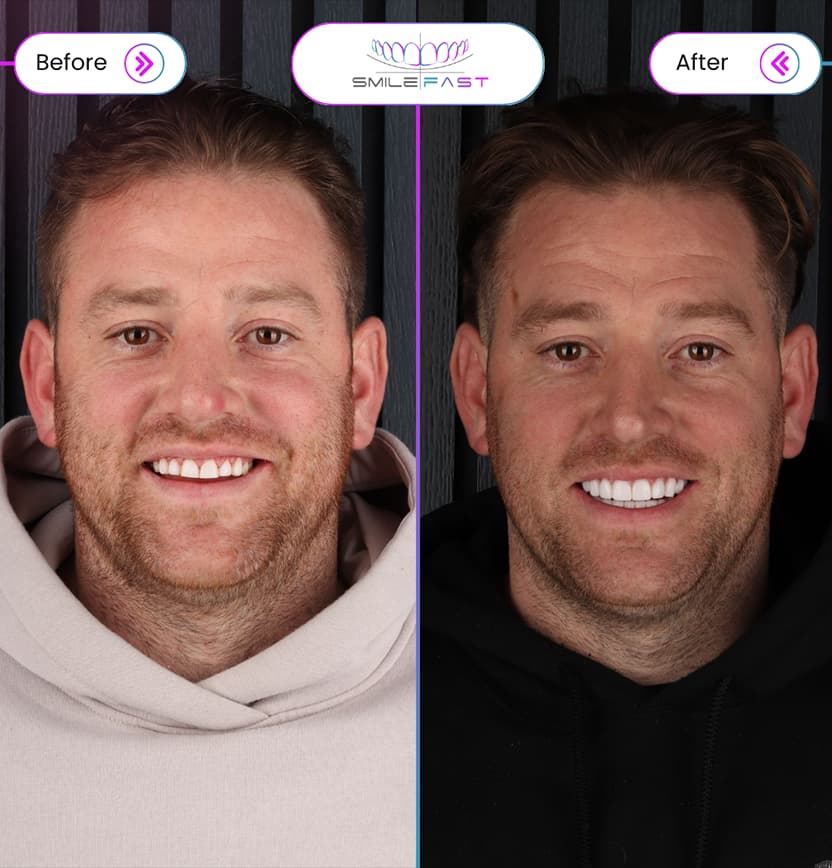
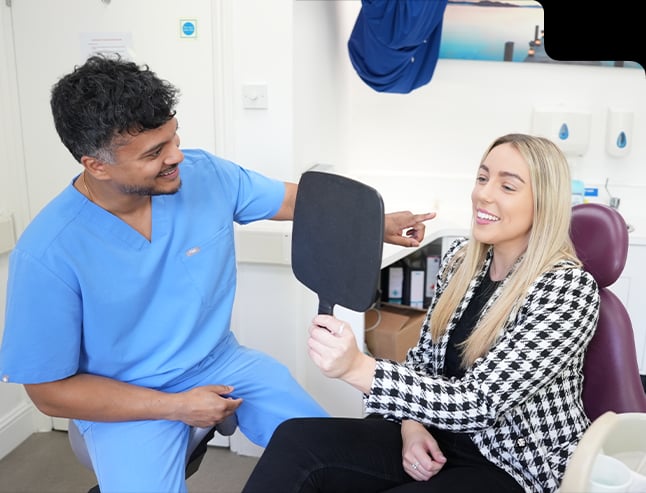
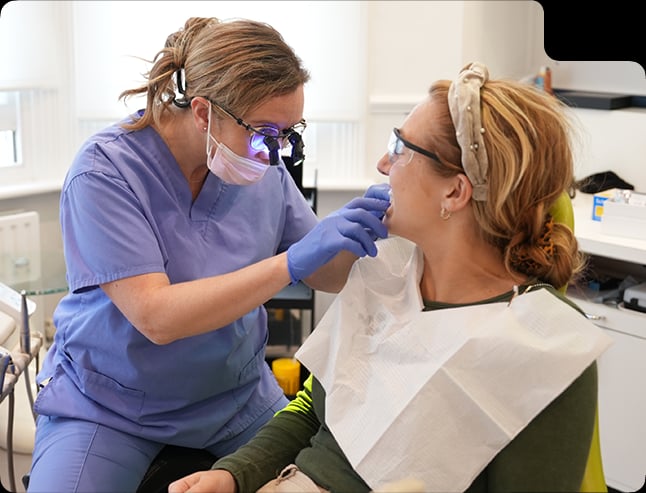



If you are considering composite bonding near Wycombe Museum, call 01494 442922 or get in touch with our team to arrange a private consultation at Wycombe Dental Centre in High Wycombe. Your dentist will assess suitability, explain the options and confirm a personalised treatment plan and fees before you decide whether to proceed.
Composite bonding may be considered for a small chip, minor gap, uneven edge or worn edge when the tooth, gums and bite are suitable. The dentist will assess the cause and extent of the concern first, because significant alignment issues or larger structural damage may make another treatment more appropriate.
There is no single fixed lifespan for composite bonding. The material can stain, wear or chip and may need polishing, repair or replacement over time. Bite forces, grinding or clenching, oral hygiene and the position of the bonded teeth can all influence maintenance, so ongoing dental review is important.
If tooth position is the main concern, orthodontic alignment or Invisalign clear aligners may be considered instead of, or before, composite bonding. Porcelain veneers or other restorative care may also be relevant for selected concerns. The appropriate option depends on examination of your teeth, gums, bite and treatment aims.
The amount of tooth preparation varies from case to case. Some bonding can be planned conservatively, while other situations may require limited preparation to achieve appropriate shape, margins or space. Your dentist will explain the proposed approach before treatment rather than making a blanket no-drilling or no-preparation promise.
Whitening may be discussed first if you want to brighten the natural tooth shade. Existing composite resin does not whiten in the same way as natural tooth structure, so the sequence of whitening and shade selection can matter when the dentist is planning new bonding.
Grinding, clenching and some biting habits can place additional forces on bonded edges and surfaces. These habits may affect suitability, design and maintenance and can increase the likelihood that polishing or repair is needed. Your dentist will consider your bite and discuss relevant habits during assessment.
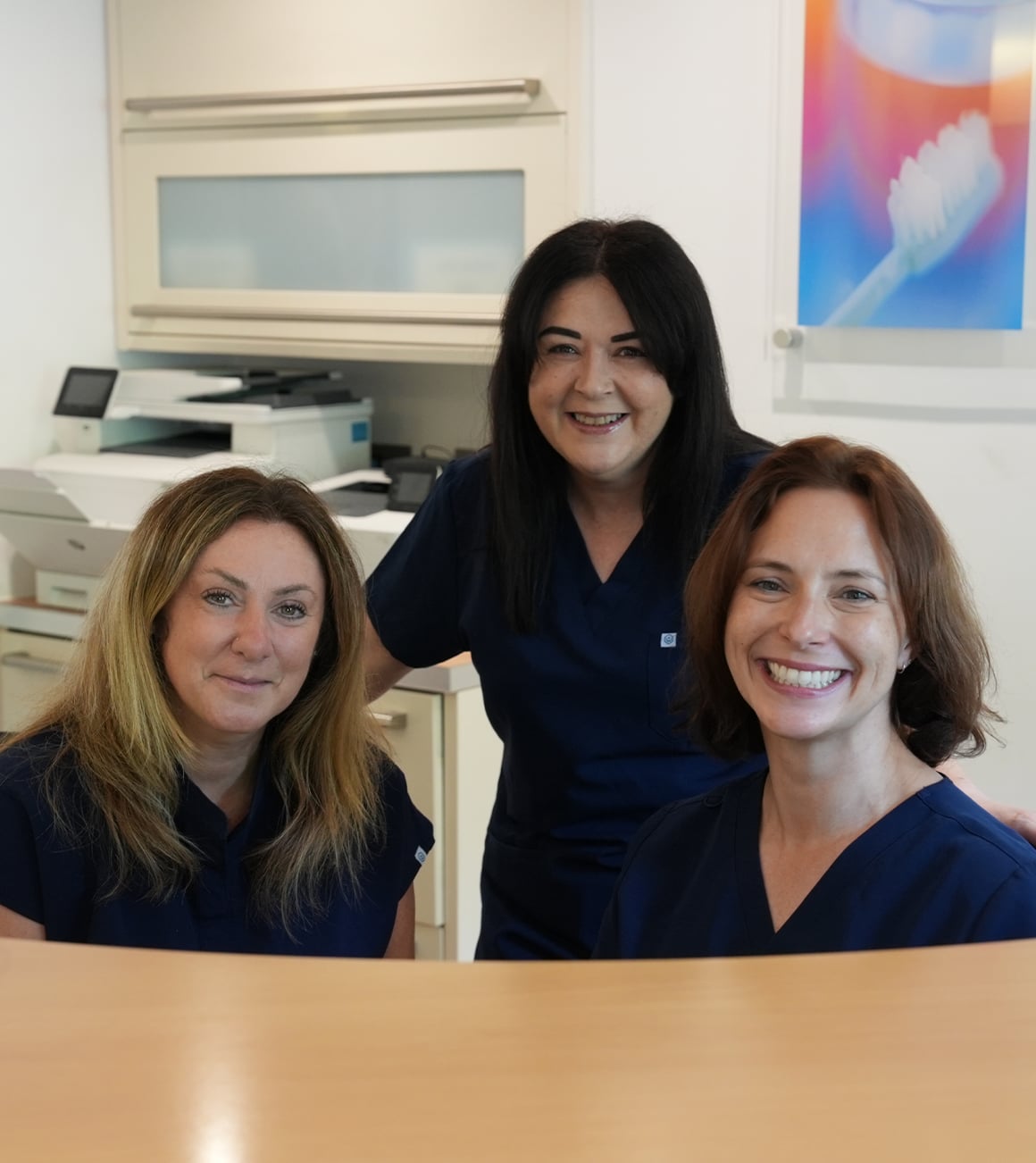
Our friendly team would love to hear from you.