Gum Disease Treatment Near Abbey Junior School

If you live near Abbey Junior School and are concerned about your gums, Wycombe Dental Centre provides gum-health assessments and periodontal treatment at its High Wycombe practice. Call 01494 442922 to discuss an appointment.

01494 442922

15 Amersham Hill, High Wycombe, HP13 6NR

Gum Disease Care Near Abbey Junior School

People living near Abbey Junior School who are concerned about bleeding gums, gum recession or other gum-health changes can arrange an assessment at Wycombe Dental Centre, with treatment provided at the High Wycombe practice.

A dentist or hygienist will assess your gum health and explain whether routine hygiene care, deeper cleaning, monitoring or ongoing periodontal maintenance may be appropriate for your needs.
image

What Periodontal Disease Means

Gum disease affects the tissues that support the teeth. Early gum disease is often described as gingivitis, when the gums may become red, swollen or prone to bleeding. Periodontitis is a more advanced form of gum disease that can involve deeper gum pockets, gum recession, loss of supporting bone or teeth becoming loose.

The purpose of gum disease treatment is not to promise a permanent cure. Care is planned to help control disease activity, improve gum health and reduce the risk of further damage where possible. The type of care recommended depends on what the dentist or hygienist finds during assessment.

Because gum disease can range from mild inflammation to more advanced periodontal problems, two people with similar symptoms may need different care. A careful assessment is therefore important before deciding whether routine hygiene support, deeper cleaning or another periodontal approach is appropriate.
image

Signs And Symptoms To Discuss

Bleeding gums, gum inflammation, bad breath, gum recession, gum pockets or loose teeth are among the concerns that may prompt a periodontal assessment. A history of gum disease can also be relevant when planning ongoing care.

These concerns do not automatically mean that every patient has advanced periodontitis. The dentist or hygienist assesses your gum health and explains the findings before recommending treatment.

The level of care can range from routine hygiene support and improved home cleaning to deeper cleaning and continuing periodontal maintenance. The decision depends on the condition of the gums, teeth and supporting structures rather than on a search term or symptom alone.
image

Assessment And Individual Treatment Planning

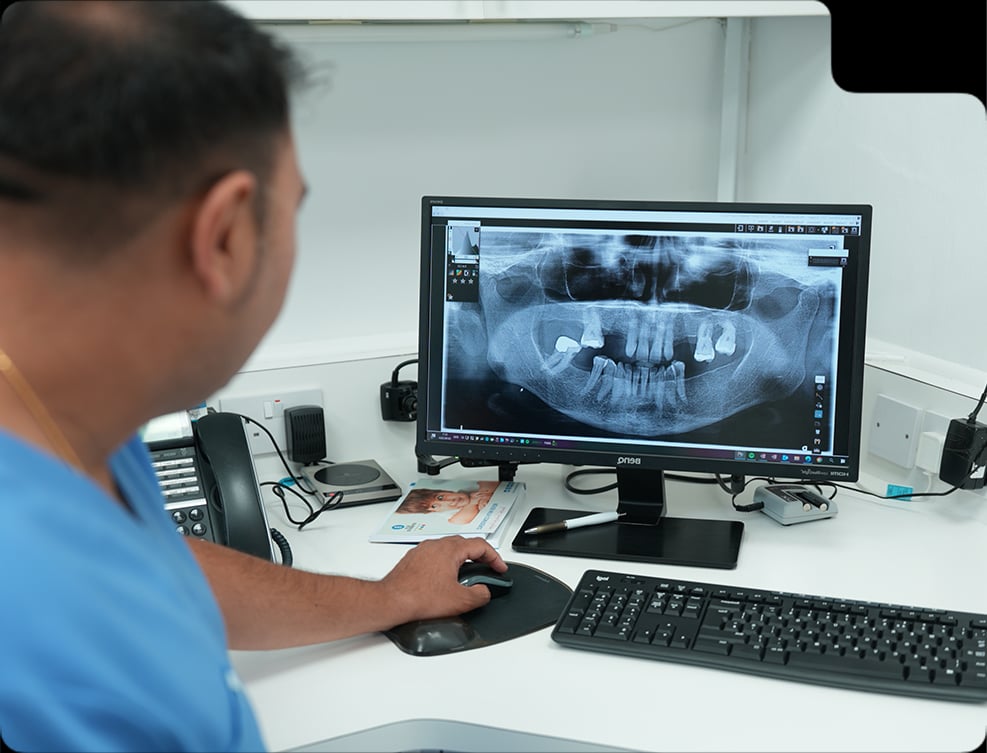
A periodontal consultation starts with an assessment of your gums, teeth and the structures supporting them. Care is provided by our dental team, with a dentist or hygienist explaining the findings and what they mean for your oral health.

The assessment is used to decide whether your needs are closer to routine hygiene care or whether deeper periodontal treatment should be considered. It also helps the clinician explain realistic aims, limitations and the importance of home cleaning.

A treatment plan should make the proposed care understandable before you agree to proceed. That includes why treatment is being recommended, what may happen if gum disease is not controlled, what ongoing maintenance may be needed and how your response will be reviewed.

The assessment is kept individual because the level of periodontal care depends on the clinical findings. Your clinician will explain any additional investigation or care that is relevant to you before it forms part of the treatment plan.
image

How Gum Disease Treatment May Be Managed

The way gum disease is managed depends on its extent and how your gums respond to care. Treatment described by Wycombe Dental Centre may include professional cleaning, deeper cleaning, home-care advice, monitoring and continuing periodontal maintenance.

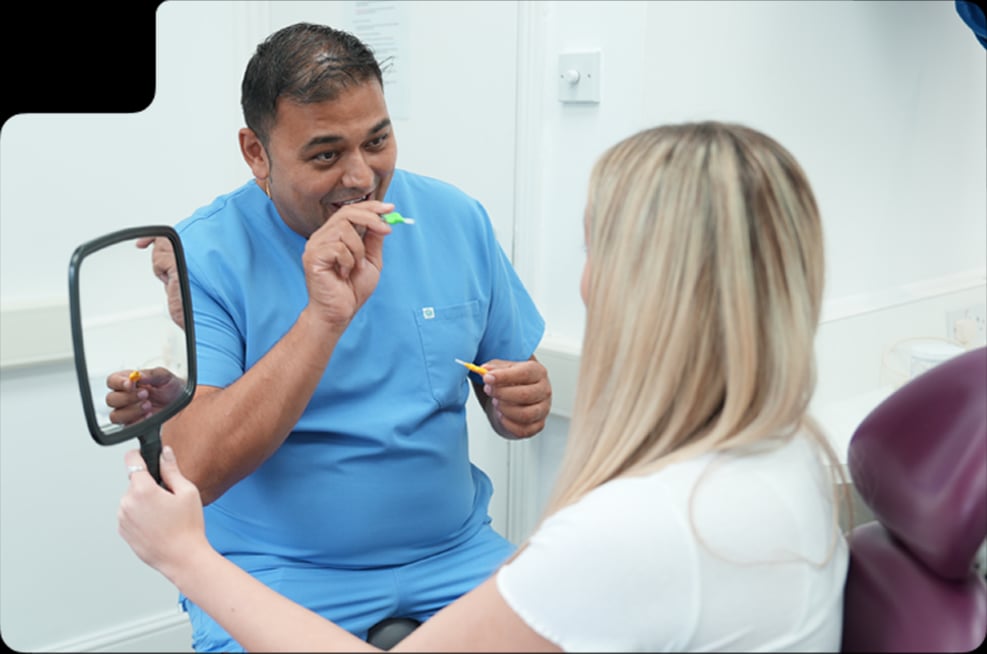
Where appropriate, hygienist services support plaque and tartar removal and help patients improve day-to-day cleaning. Deeper cleaning may be recommended when routine hygiene care alone is not sufficient for the periodontal findings.

The aims are practical: reduce bleeding and inflammation, support healthier gums, improve home-care habits and reduce the risk of further damage where possible. Individual response varies, so the same outcome cannot be promised for every patient.

If the assessment shows that your needs go beyond the care described here, the clinician will explain the appropriate next steps rather than assuming that every periodontal problem should be managed in the same way.
image

Ongoing Maintenance And Long-Term Gum Health

Managing periodontal disease usually includes an ongoing maintenance element because gum health can change over time. Home cleaning, professional care and monitoring are used together according to individual need.

Your periodontal plan should also sit within your wider general dental care. Teeth, gums and supporting structures are considered together so that gum-health decisions are not separated from the rest of your oral health.

There is no single maintenance interval that is appropriate for every patient. The dentist or hygienist can recommend a review and maintenance pattern based on the condition being managed and how your gums respond.

Fees also vary according to the extent of gum disease, the type of care required and the number of appointments. The current fee guide gives the practice's published fee information, while your personalised plan and fees should be confirmed after assessment.

Before you consent, the clinician should explain the findings, recommended care, realistic aims, limitations, likely maintenance and relevant alternatives. The discussion should also cover the outlook for affected teeth and the fact that individual response to periodontal care can vary.
image

Visiting Our High Wycombe Practice

Wycombe Dental Centre is at 15 Amersham Hill, High Wycombe, HP13 6NR. Gum assessments and periodontal treatment described on this page are provided at the High Wycombe practice, not at Abbey Junior School. People living near Abbey Junior School can contact the practice to discuss an appointment and any access requirements before attending.

The exact treatment sequence and number of appointments depend on the clinical findings, not on the area you are travelling from. If the local research brief supports a broad travel mode, it may inform internal planning, but this page does not publish exact routes, distances or journey-time promises.
image

Book A Gum Disease Consultation

If you are looking for gum disease treatment near Abbey Junior School, call 01494 442922 or get in touch with our team to arrange an assessment at Wycombe Dental Centre in High Wycombe. Your dentist or hygienist will explain the findings, recommended care and personalised fees before you decide how to proceed.

Frequently Asked Questions

Gingivitis is an earlier form of gum disease and may involve bleeding, redness or swelling of the gums. Periodontitis is more advanced and can affect the supporting structures around the teeth, with findings such as gum pockets, recession, bone loss or loose teeth. An assessment is needed to determine what is happening in your case.

Treatment is intended to help control gum disease, support healthier gums and reduce the risk of further damage where possible. It is safer to think of periodontitis as a condition that may require ongoing management rather than to promise a permanent cure or reversal. Your response to treatment and maintenance needs will be individual.

Loose teeth can occur with more advanced periodontal problems, but no page can promise that every affected tooth can be saved. The outlook depends on the condition of the tooth and its supporting structures and how the disease responds to care. Assessment is needed before the dentist can discuss realistic options.

Bleeding gums can be a reason to arrange a gum-health assessment, but the symptom alone does not establish the stage or cause of a problem. A dentist or hygienist can assess your gums, teeth and supporting structures and explain whether routine hygiene care, deeper periodontal treatment or another approach may be appropriate.

Deeper cleaning is one possible part of periodontal care when routine hygiene treatment is not sufficient for the findings. The exact approach and comfort needs depend on the individual treatment plan. Your dentist or hygienist should explain what is proposed, why it is recommended and what to expect before treatment begins.

There is no single maintenance interval that suits every patient. The frequency of monitoring, professional cleaning and periodontal maintenance should be based on the condition being managed and how your gums respond. Your dentist or hygienist can recommend an appropriate pattern after assessment rather than applying a fixed schedule to everyone.

Get in touch

Our friendly team would love to hear from you.

Please tick this box to agree to our privacy policy before continuing.

Dental receptionist answering a phone call

Opening Hours

Monday
08:00 AM - 04:00PM
Tuesday
08:00 AM - 08:00PM
Wednesday
08:00 AM - 08:00PM
Thursday
08:00 AM - 08:00PM
Friday
08:00 AM - 04:00PM
Saturday
CLOSED
Sunday
CLOSED