Gum Disease Treatment Near Flackwell Heath

Noticing bleeding gums, persistent bad taste or loose teeth and live in Flackwell Heath? That can feel worrying. Assessment and treatment are provided at Wycombe Dental Centre in High Wycombe. Call 01494 442922 to discuss an appointment.

01494 442922

15 Amersham Hill, High Wycombe, HP13 6NR
Why This Information Is Relevant If You Live In Flackwell Heath

Flackwell Heath is a village with its own parish council, and local residents often want a clear, practical approach when a gum concern appears. If you live in Flackwell Heath and are noticing signs such as bleeding, a persistent bad taste or changing tooth stability, this page explains what to expect when you seek professional assessment.

Timely assessment matters because a dentist or hygienist can check the gums, teeth and supporting structures and recommend suitable options. This guidance is for people who have new or ongoing concerns and who prefer to arrange a focused review rather than rely on home remedies alone.
image

What Gum Disease Means

Gum disease describes conditions that affect the gums and the supporting structures around the teeth. Thinking in everyday terms, the gums, the ligament that helps hold teeth in place and the jawbone act together as the tooth's support system.

Gingivitis may involve bleeding, redness or swelling of the gums. When the condition involves deeper supporting structures it is called periodontitis, which can involve gum pockets, gum recession, bone loss or loose teeth.

Understanding these differences helps you see why a clinical check is important: the details of what is involved determine which care options are appropriate.
image

Signs That Suggest You Should Arrange An Assessment

If you notice any of the following, it is sensible to arrange an assessment so a clinician can evaluate what is happening. Symptoms vary and only a professional assessment can determine cause and need for treatment.

Do not delay seeking a review if symptoms are new, getting worse or affecting how you eat and smile. Home care can help in many cases, but it cannot replace a clinical assessment when symptoms persist.
  • Bleeding gums
  • Gum inflammation or persistent redness
  • Persistent bad taste or bad breath
  • Gum recession
  • Loose teeth
  • A history of gum disease requiring review
image

What Happens At An Assessment And How A Plan Is Made

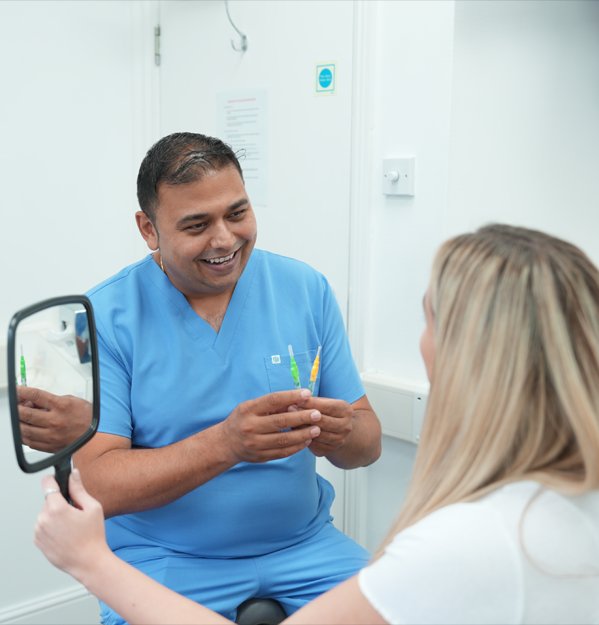
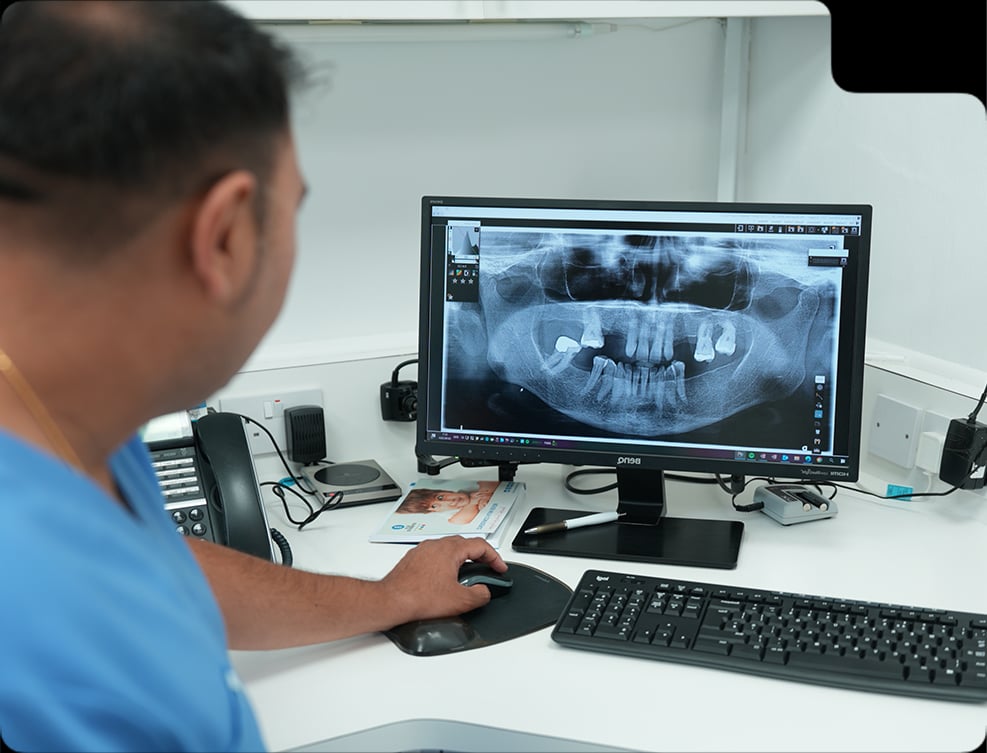
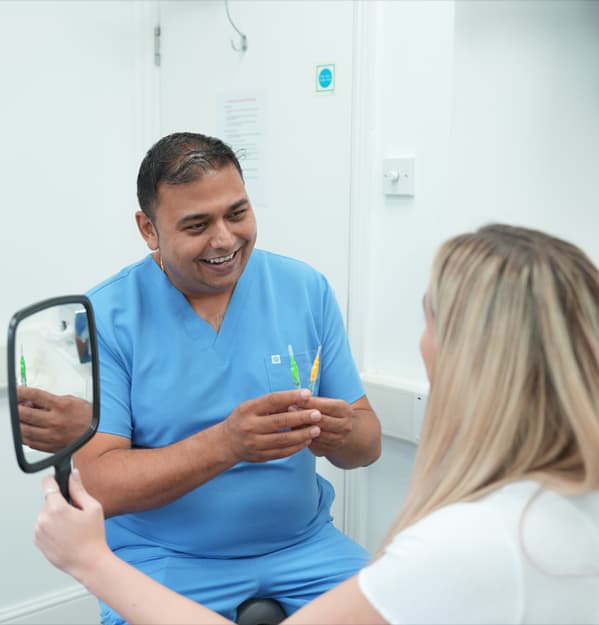
A dentist or hygienist will begin by taking a careful history of your concerns and reviewing any previous dental history you share. The clinical part of the assessment focuses on the gums, the teeth and the supporting structures to form a clear picture of current health.

After the examination you will be given an explanation of the findings and a discussion about options tailored to your needs. The assessment determines whether routine hygiene care, professional cleaning, deeper cleaning, monitoring or another approach is appropriate.

No treatment is carried out without your consent and you will be involved in choosing the plan that fits your circumstances.
image

How Care May Be Managed

Care depends on the outcome of the assessment. Depending on need, care may include routine hygiene treatment, professional cleaning, deeper cleaning, home-care advice, regular monitoring and ongoing periodontal maintenance.

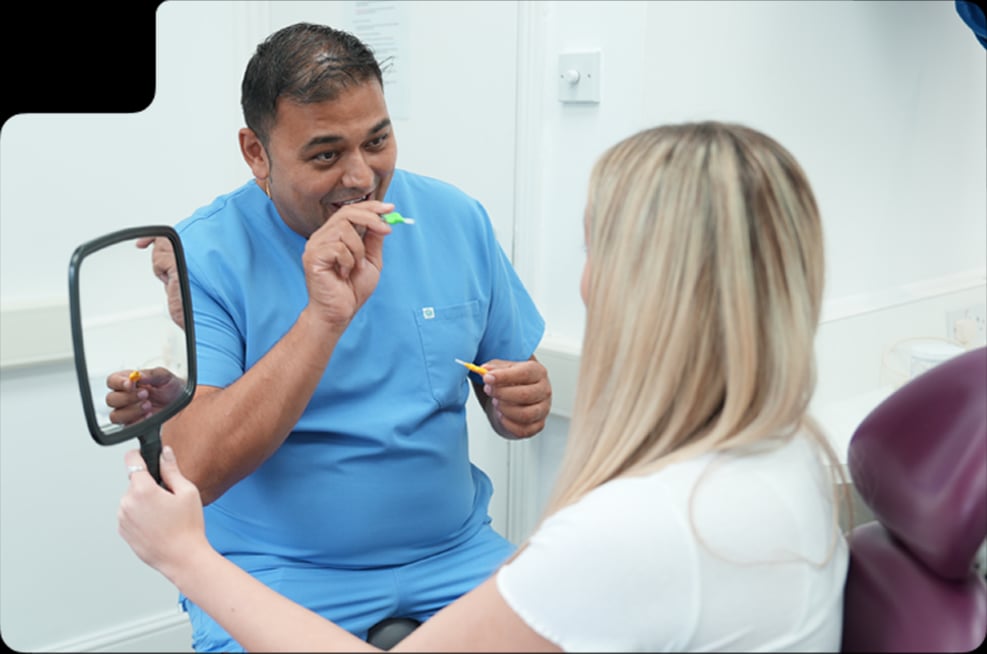
Effective management combines clinician-provided treatment where appropriate and improved daily oral care. Individual response and maintenance needs vary, so the clinician will recommend the options best suited to your situation.

Because needs differ, any plan offered will be described in plain terms with the likely benefits and limitations so you can make an informed choice.
image

Maintenance, Realistic Aims, Wider Oral Health, Fees And Consent

The realistic aim of treatment is to help control gum disease, support healthier gums, reduce bleeding and inflammation, remove plaque and tartar build-up where appropriate, improve home-care habits and reduce the risk of further gum damage where possible. Individual response and maintenance needs vary.

Fees depend on the extent of gum disease, the type of care required and the number of appointments. Personalised fees follow assessment and you will receive a written explanation of the proposed care, its limitations, alternatives and fees before consenting to treatment.

Consent is obtained after an explanation of findings, recommended care, likely maintenance and alternatives so you can decide with full information.

Periodontal care sits within your wider general dental care and overall oral-health planning.
image

Visiting Our High Wycombe Practice

The village has local community facilities, including a community centre whose land is managed in partnership with Buckinghamshire Council, and residents who prefer to attend a nearby practice may choose to come to our High Wycombe clinic for assessment and care.

Assessments are provided at Wycombe Dental Centre, 15 Amersham Hill, High Wycombe, HP13 6NR. If you live in Flackwell Heath and prefer to attend that clinic, you can book an assessment there.
image

Book A Gum Disease Consultation

If you are looking for gum disease treatment near Flackwell Heath, call 01494 442922 or contact our team to arrange an assessment at Wycombe Dental Centre in High Wycombe. A dentist or hygienist will explain the findings, recommended care and personalised fees before treatment is agreed.

Frequently Asked Questions

Gingivitis may involve bleeding, redness or swelling of the gums, while periodontitis can involve gum pockets, gum recession, bone loss or loose teeth; a clinician assessment is needed to determine which applies and what care is appropriate.

Treatment aims to help control gum disease, reduce inflammation and lower the risk of further gum damage where possible rather than promise a complete cure; a clinician will explain realistic aims during assessment.

Loose teeth are a concern that should be assessed promptly; only a clinician can explain the possible approaches and what to expect after a detailed assessment.

Bleeding gums can be a sign that a professional check is worthwhile and early assessment allows a clinician to advise on suitable care; only a formal assessment can determine the cause and need for treatment.

Deeper cleaning may be recommended depending on assessment findings, while other people may need routine hygiene care and home cleaning; the clinician will recommend options after reviewing your gums and supporting structures.

Maintenance frequency varies with individual response and clinical need, and your clinician will recommend a schedule tailored to you following assessment.

Get in touch

Our friendly team would love to hear from you.
Please tick this box to agree to our privacy policy before continuing.

Dental receptionist answering a phone call

Opening Hours

Monday
08:00 AM - 04:00PM
Tuesday
08:00 AM - 08:00PM
Wednesday
08:00 AM - 08:00PM
Thursday
08:00 AM - 08:00PM
Friday
08:00 AM - 04:00PM
Saturday
CLOSED
Sunday
CLOSED