Gum Disease Treatment Near High Wycombe Town Centre

Worried about bleeding gums, loose teeth or persistent bad breath? This page covers the signs to watch for, what happens at an assessment, the kinds of care that may be offered and how maintenance is arranged. Assessment and treatment are provided at Wycombe Dental Centre in High Wycombe. Call 01494 442922 to discuss an appointment.

01494 442922

15 Amersham Hill, High Wycombe, HP13 6NR

Are You Connected To High Wycombe Town Centre And Worried About Your Gums?

Are you a town-centre worker, shopper or visitor wondering whether bleeding or sore gums need attention?

Do you find short, decisive checks useful because town-centre life involves work, shopping or civic appointments? A clear assessment can quickly identify whether you need active care and outline practical options.

Persistent bad breath or ongoing unpleasant taste; New or worsening gum inflammation or recession; Loose teeth or a change that worries you.
image

What Does Gum Disease Actually Mean For My Mouth?

Are you unsure what terms like gingivitis or periodontitis mean? Gum disease refers to inflammation and loss of the supporting structures around the teeth, and it can affect everyday comfort, appearance and dental health.

Want a straightforward way to tell early from more established problems? Gingivitis may involve bleeding, redness or swelling, while periodontitis can involve gum pockets, recession, bone loss or loose teeth; knowing which applies helps shape care.
image

Which Signs Should Prompt A Professional Assessment?

Noticed bleeding when you brush or after eating? Bleeding with redness or swelling is a common reason to arrange an assessment so a dentist or hygienist can check the gums and supporting structures.

Bothered by persistent bad breath or an ongoing unpleasant taste? When breath or taste does not clear, a focused clinical check can help identify if care may be helpful.

Seen gum recession, felt a tooth becoming loose, or been told you have gum pockets? Any of these changes are appropriate reasons to book an assessment so the clinician can evaluate the extent of involvement and discuss options.
  • Bleeding or sore gums during daily cleaning
  • Ongoing bad breath or persistent taste
  • Noticeable gum recession or new gaps
  • Loose teeth or concerns about supporting structures
image

What Happens At A Gum Health Assessment With A Dentist Or Hygienist?

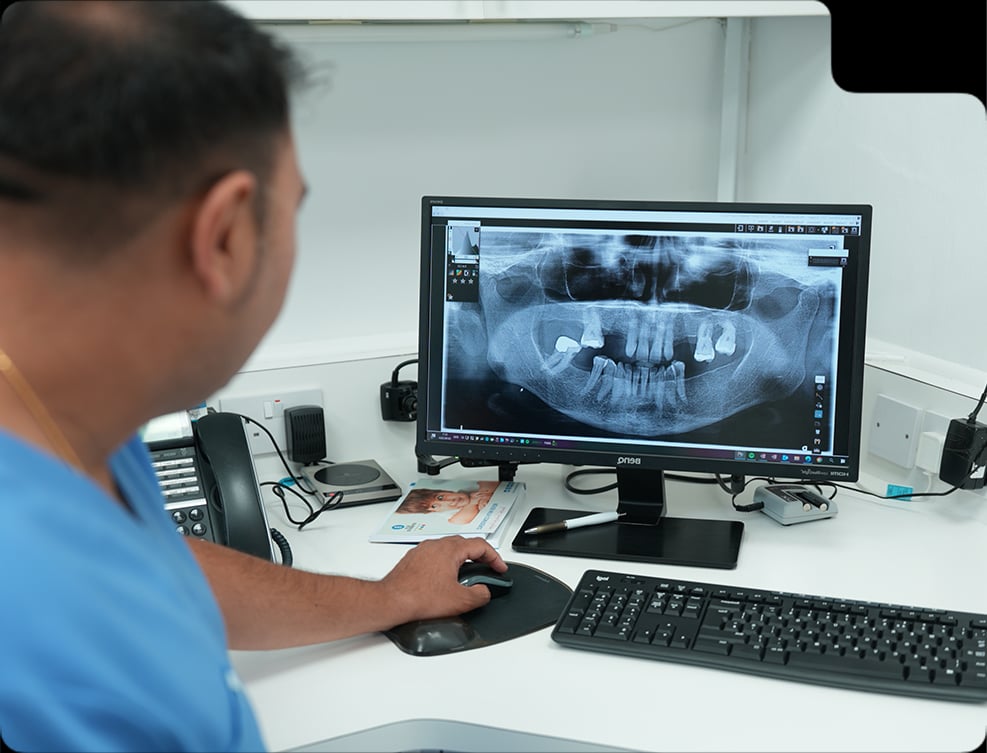
What will the clinician do first? A dentist or hygienist will listen to your concerns, ask about your symptoms and carry out a assessment of the gums, teeth and supporting structures before discussing findings.

How are care options decided? After the assessment the clinician will explain what they observed, outline which care options may be appropriate depending on need, and invite questions before any treatment decision is made.
image

How May Care For Gum Disease Be Managed?

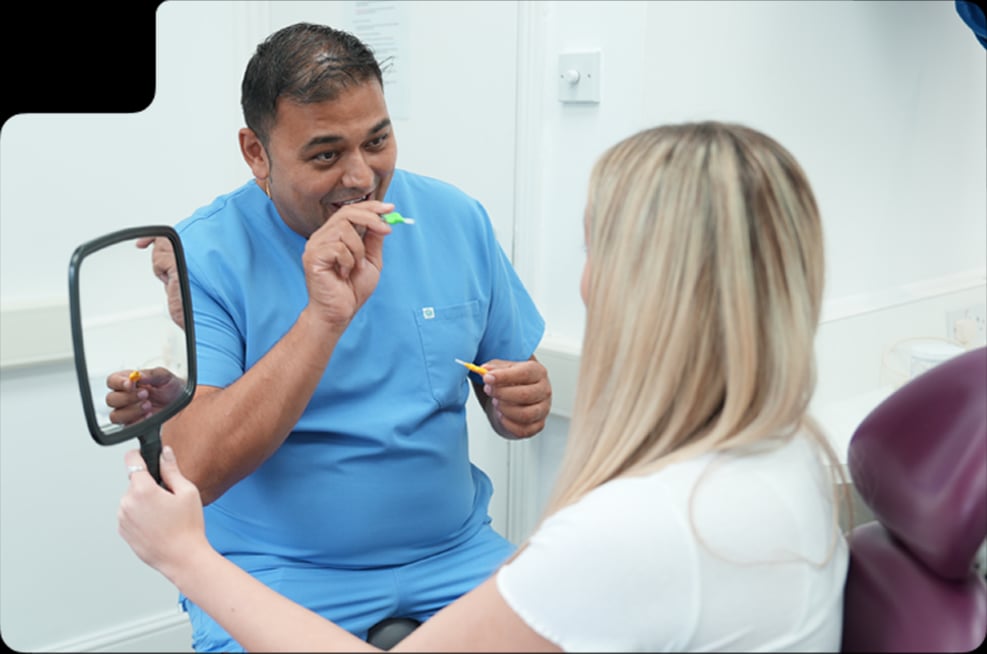
How is gum disease treated in practice? Depending on clinical need, care may include routine hygiene treatment, professional cleaning, deeper cleaning, home-care advice, monitoring and ongoing periodontal maintenance.

What should I expect from in-clinic care and advice? Treatment aims to help control gum disease, reduce bleeding and inflammation, remove plaque and tartar build-up where appropriate, support healthier gums and improve home-care habits.
image

What Are Realistic Aims, What About Ongoing Care, Fees And Consent?

What should I expect long term? Treatment aims to help control gum disease, reduce bleeding and inflammation and reduce the risk of further gum damage where possible; individual response varies.

How are fees and consent handled? Fees depend on the extent and type of care required and will be personalised after assessment; a clear explanation of findings, recommended care, limitations, alternatives, likely maintenance and fees is provided before consenting to treatment.

Periodontal care sits within your wider general dental care and overall oral-health planning.
image

Visiting Our High Wycombe Practice

Are you wondering if appointments can fit around time in the town centre? The town centre functions as the town's main retail and civic hub and includes the Eden shopping area; this page is intended to help people who work, shop or attend civic facilities in the town centre decide about assessment and care.

Where is treatment provided and can people from the town centre attend? Gum disease assessment and treatment described on this page are provided at 15 Amersham Hill, High Wycombe, HP13 6NR. If you live in or visit High Wycombe Town Centre, you may choose to attend there; the number and type of appointments depend on individual clinical need.
image

Book A Gum Disease Consultation

If you are looking for gum disease treatment near High Wycombe Town Centre, call 01494 442922 or contact our team to arrange an assessment at Wycombe Dental Centre in High Wycombe. A dentist or hygienist will explain the findings, recommended care and personalised fees before treatment is agreed.

Frequently Asked Questions

A focused assessment can clarify which condition is present and what it means for you. Gingivitis may involve bleeding, redness or swelling, while periodontitis can involve gum pockets, gum recession, bone loss or loose teeth. Book an assessment with a dentist or hygienist to have your gums examined and to discuss suitable care options.

A calm assessment will set realistic aims for your situation. Treatment aims to help control gum disease, reduce bleeding and inflammation and reduce the risk of further gum damage where possible, while individual response and maintenance needs vary. Book an assessment to discuss likely outcomes and any fees before consenting to care.

It is understandable to be concerned about a loose tooth and a prompt assessment will clarify the situation. Periodontitis can involve loose teeth, so a dentist or hygienist should examine the gums, teeth and supporting structures and explain possible care and monitoring. Book an assessment and describe the change when you make the appointment.

A clear clinical check will indicate whether bleeding is a sign that treatment may be helpful. Bleeding gums can be a sign of gingivitis, and a dentist or hygienist can assess the gums and recommend which types of care may be appropriate. Contact the practice to arrange an assessment and mention your symptoms.

A short clinical assessment will show whether deeper cleaning is one of the care options to consider. Depending on need, care may include deeper cleaning alongside professional cleaning and home-care advice; discuss this with a dentist or hygienist at your appointment. Arrange an assessment to learn which approaches are relevant for you.

A calm discussion with your clinician will establish a plan tailored to your needs. Maintenance frequency varies according to individual response, treatment requirements and ongoing clinical findings, and your dentist or hygienist will recommend what is appropriate for you. Arrange an assessment to discuss maintenance and any questions about fees or consent.

Get in touch

Our friendly team would love to hear from you.
Please tick this box to agree to our privacy policy before continuing.

Dental receptionist answering a phone call

Opening Hours

Monday
08:00 AM - 04:00PM
Tuesday
08:00 AM - 08:00PM
Wednesday
08:00 AM - 08:00PM
Thursday
08:00 AM - 08:00PM
Friday
08:00 AM - 04:00PM
Saturday
CLOSED
Sunday
CLOSED