Gum Disease Treatment Near Hughenden Valley

Worried about bleeding or loose teeth? This page explains how a dentist or hygienist will assess gum health, what treatment options may be discussed and how to arrange a periodontal assessment from Hughenden Valley. Assessment and treatment are provided at Wycombe Dental Centre in High Wycombe. Call 01494 442922 to discuss an appointment.

01494 442922

15 Amersham Hill, High Wycombe, HP13 6NR

Care For People From Hughenden Valley

If you live in Hughenden Valley and are noticing bleeding, swelling or other gum concerns, it can feel worrying and uncertain. This page explains how a dentist or hygienist will assess gum health and what steps you can consider next.

Hughenden Valley is an established village and civil parish north of High Wycombe, and the rural character of the area can affect planning for appointments. Wycombe Dental Centre provides gum disease assessment and treatment at our High Wycombe practice, and we aim to make visits straightforward while explaining what to expect.
  • Overview of common gum concerns and signs to watch for
  • How a dentist or hygienist assesses gum health
  • Treatment options that may be discussed depending on need
  • Practical notes about arranging an assessment from Hughenden Valley
image

What Gum Disease Means

Gum disease can affect the gums and the supporting structures around the teeth and varies in how it appears and how it affects oral function. Gingivitis may involve bleeding, redness or swelling while periodontitis can involve gum pockets, recession, bone loss or loose teeth.

Understanding the difference helps prioritise assessment because early recognition usually expands the range of options that may be appropriate. The aim of treatment is to help control gum disease, support healthier gums, reduce bleeding and inflammation and reduce the risk of further gum damage where possible.
  • Gingivitis: bleeding, redness or swelling of the gums
  • Periodontitis: may include gum pockets, recession, bone loss or loose teeth
  • Assessment clarifies the current state and suitable options
  • Early recognition often broadens possible approaches
image

Signs That Suggest An Assessment Is Needed

If you notice bleeding when you brush, persistent bad breath or gums that seem to be pulling away, it is sensible to arrange an assessment so a clinician can review what is happening. Symptoms and severity vary between individuals, so a professional check helps identify which care options may be relevant.

Some changes are gradual while others may feel more sudden, and the appropriate response ranges from routine monitoring to more active care depending on findings. Contact us sooner if you experience a rapid worsening of symptoms or sudden changes that cause concern.

Persistent bad breath despite normal oral hygiene; Noticeable gum recession or changes in gum appearance; Any report or history of loose teeth.
image

Assessment And How A Plan Is Made

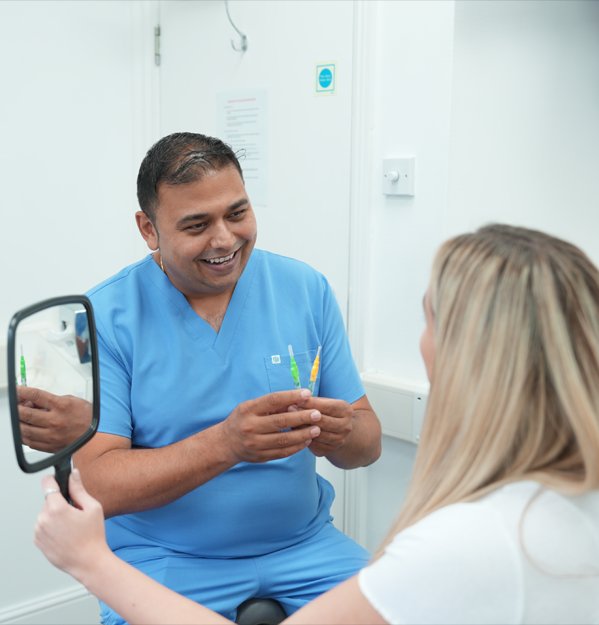
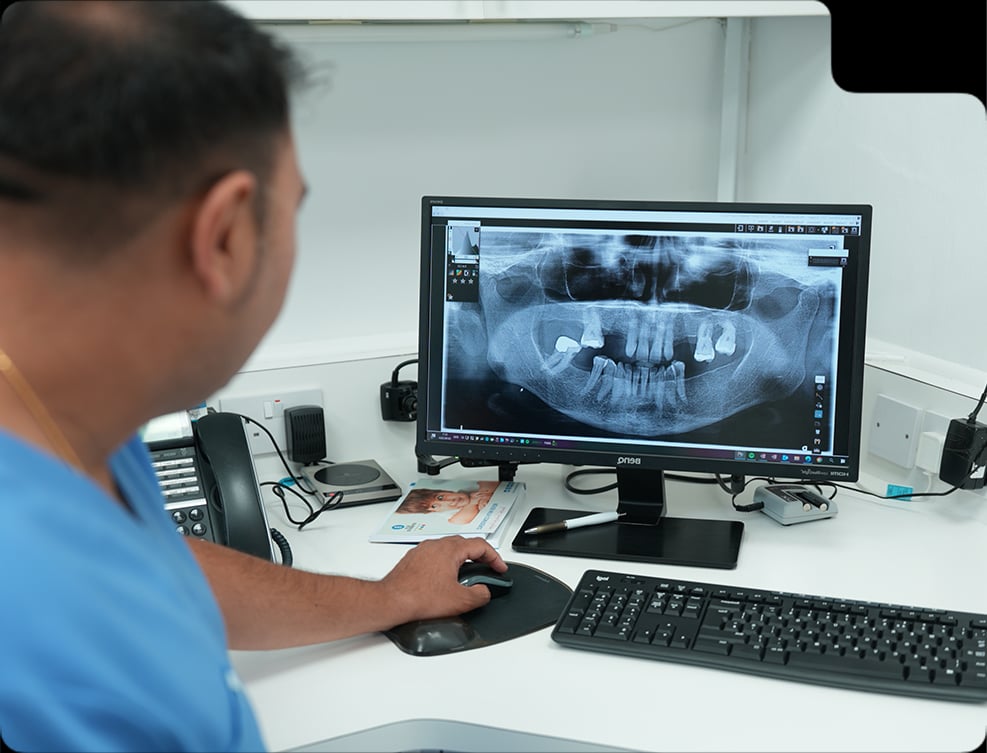
A dentist or hygienist assesses gum health before recommending care, and the discussion begins with your concerns and a clinical review of the gums, teeth and supporting structures. Findings are explained in plain language and recommendations are tailored to your needs, with clear information on likely aims and any alternatives.

Consent follows an explanation of findings, recommended care, limitations, likely maintenance and fees so you can decide with full information. Depending on need, care may include routine hygiene treatment, professional cleaning, deeper cleaning, home‑care advice, monitoring and ongoing periodontal maintenance.
  • Discussion of symptoms and dental history with the clinician
  • Assessment of gums, teeth and supporting structures
  • Plain‑language explanation of findings and possible care options
  • Agreement on a personalised plan and an outline of fees
image

How Care May Be Managed

Care is managed stepwise according to the assessment and individual need and may include routine hygiene treatment, professional cleaning, deeper cleaning, home‑care advice, monitoring and ongoing periodontal maintenance. Different people have different responses and requirements, so care and follow-up are personalised.

The focus of treatment is to reduce bleeding and inflammation, remove plaque and tartar build‑up where appropriate and support better home‑care habits to reduce the risk of further gum damage where possible. The clinician will explain what to expect from the recommended care and how progress will be reviewed.
  • Professional cleaning to address built‑up deposits where needed
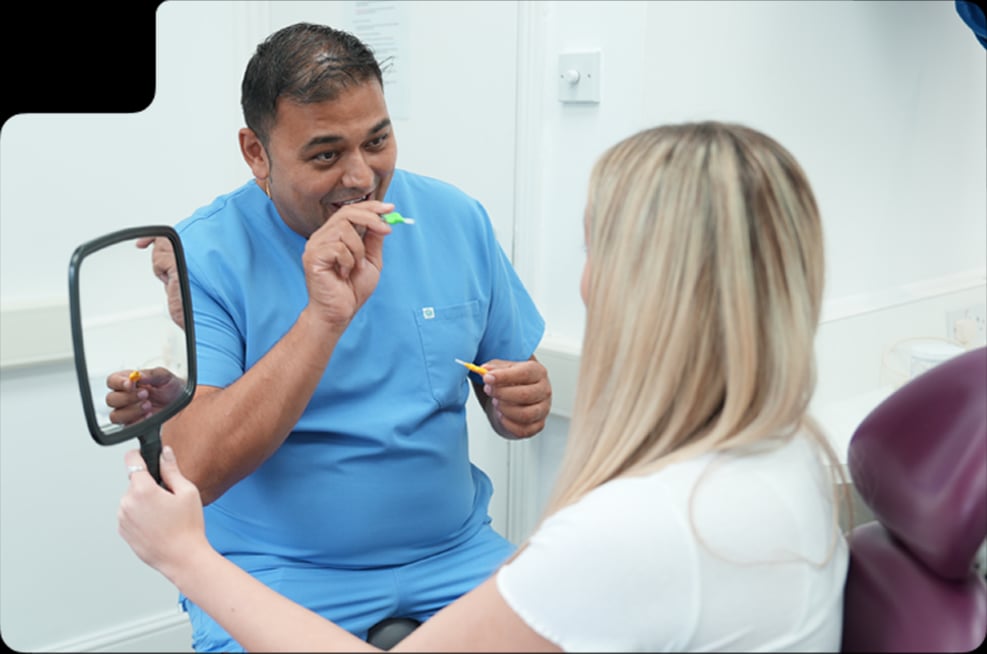
  • Home‑care advice to support healthier gums
  • Deeper cleaning if indicated by the assessment
  • Planned reviews and ongoing periodontal maintenance as appropriate
image

Maintenance, Realistic Aims, Fees And Consent

Treatment aims to help control gum disease, support healthier gums and reduce bleeding and inflammation rather than promising instant cures. Outcomes are measured by improvements in symptoms and clinical signs, and maintenance frequency varies according to individual need.

Fees depend on the extent of gum disease, the type of care required and the number of appointments, and personalised fees are provided after assessment. Consent follows an explanation of findings, recommended care, limitations, likely maintenance and relevant alternatives so you can make an informed choice.

Periodontal care sits within your wider general dental care and overall oral-health planning.
  • Realistic aims: control and stability rather than instant cure
  • Monitoring progress through symptoms and clinical review
  • Fees tailored to the extent and type of care needed
  • Consent provided after explanation of options and likely maintenance
image

Visiting Our High Wycombe Practice

The parish lies to the north of the town of High Wycombe within the county of Buckinghamshire. Wycombe Dental Centre provides gum disease assessment and treatment at 15 Amersham Hill, High Wycombe, HP13 6NR.
  • Assessment and any recommended care are provided at our High Wycombe practice
  • Appointment type and number vary according to the personalised plan agreed after assessment
  • Fees and likely maintenance are discussed once the clinician has reviewed your needs
  • If you have questions about booking or what an appointment involves, please contact the practice to speak with a member of the team
image

Book A Gum Disease Consultation

If you are looking for gum disease treatment near Hughenden Valley, call 01494 442922 or contact our team to arrange an assessment at Wycombe Dental Centre in High Wycombe. A dentist or hygienist will explain the findings, recommended care and personalised fees before treatment is agreed.

Frequently Asked Questions

Gingivitis may involve bleeding, redness or swelling of the gums while periodontitis can involve gum pockets, recession, bone loss or loose teeth.

Treatment aims to help control gum disease, support healthier gums and reduce the risk of further gum damage where possible rather than promising instant cure. Individual response and maintenance vary, and the clinician will explain realistic aims during the assessment; tip: ask how success will be measured in your situation.

Loose teeth are one of the concerns that can be caused by periodontitis and they are assessed as part of the clinical review of gums, teeth and supporting structures. An assessment is needed before discussing realistic options and likely maintenance; tip: report any recent changes in tooth mobility at your appointment.

Bleeding gums are a sign worth checking so a dentist or hygienist can assess gum health and recommend appropriate care. If bleeding is persistent or comes with other worrying changes, seek an assessment sooner; tip: note when bleeding happens and any related symptoms to report at your visit.

Depending on the assessment, care may include routine hygiene treatment, professional cleaning or deeper cleaning alongside home‑care advice and monitoring. The clinician will explain whether deeper cleaning may be appropriate and what that could involve; tip: ask for a clear summary of expected benefits and any alternatives.

Maintenance frequency varies according to individual need and is recommended after assessment so the plan fits your situation. The clinician will outline the likely review schedule when discussing personalised care and fees; tip: ask for a written summary of the follow‑up plan during your consultation.

Get in touch

Our friendly team would love to hear from you.
Please tick this box to agree to our privacy policy before continuing.

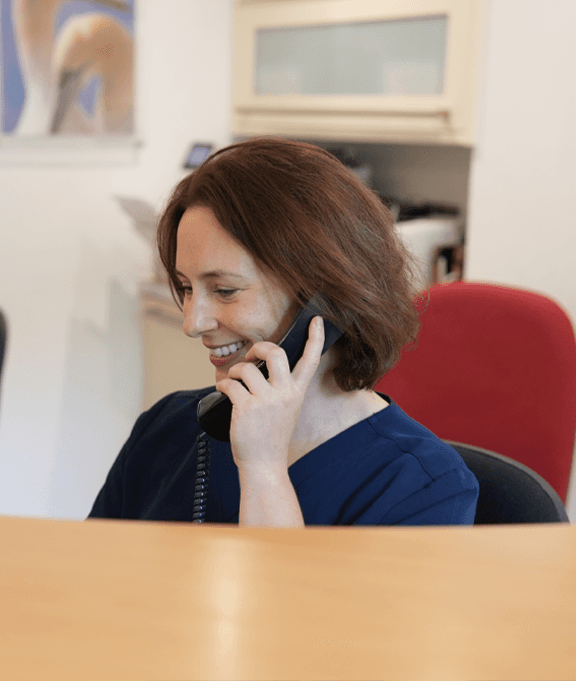
Dental receptionist answering a phone call

Opening Hours

Monday
08:00 AM - 04:00PM
Tuesday
08:00 AM - 08:00PM
Wednesday
08:00 AM - 08:00PM
Thursday
08:00 AM - 08:00PM
Friday
08:00 AM - 04:00PM
Saturday
CLOSED
Sunday
CLOSED