Gum Disease Treatment Near Penn

If you have bleeding gums, persistent bad breath or notice loose teeth, an early assessment can help control gum disease and reduce the risk of further gum damage where possible. Arrange a prompt check so a clinician can assess your gums and explain likely care options. Assessment and treatment are provided at Wycombe Dental Centre in High Wycombe. Call 01494 442922 to discuss an appointment.

01494 442922

15 Amersham Hill, High Wycombe, HP13 6NR
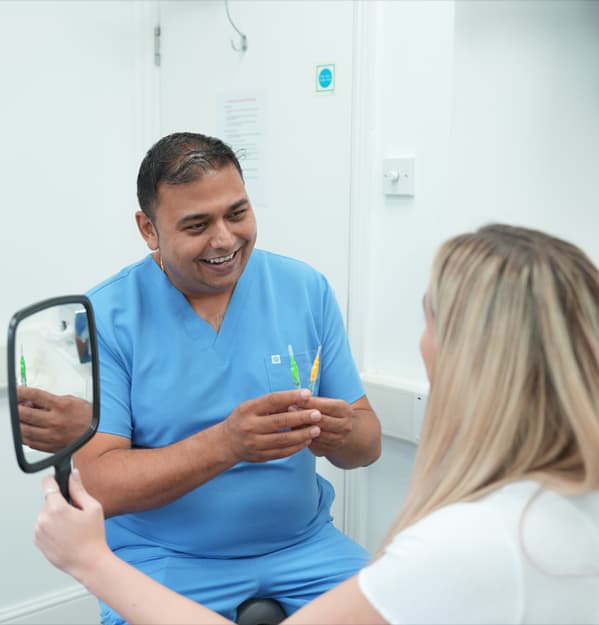
Care For People Living Near Penn

Penn is officially described as a village and civil parish in Buckinghamshire and is often spoken of in relation to the wider High Wycombe area. If you live in or near Penn and are worried about your gums, this page explains what an assessment looks like and the kinds of care a clinician may recommend at our High Wycombe practice.

Gum concerns are about more than appearance. An early assessment focuses on identifying inflammation or signs affecting the gums and the supporting structures around the teeth, then explaining options to help control disease and reduce the risk of further gum damage where possible.

Penn is a village and civil parish in Buckinghamshire.; Authoritative descriptions link Penn with the wider High Wycombe area.
image

What Gum Disease Means

Gum disease describes problems affecting the gums and the supporting structures around the teeth. The term covers a range of conditions from inflammation of the gums to more advanced involvement of the tissues around the teeth.

Gingivitis typically involves signs such as bleeding, redness or swelling of the gums. Periodontitis can involve gum pockets, gum recession, bone loss or loose teeth. A clinician will use the assessment to determine which issues are present and to explain appropriate care choices.
image

Signs And Reasons To Ask For An Assessment

Symptoms of gum problems can develop slowly and people sometimes adapt to small changes. Noticing changes over time helps a clinician assess whether treatment is needed to help control disease and reduce the risk of further gum damage where possible.

Even mild or intermittent symptoms can deserve a check: a dentist or hygienist can assess the gums, teeth and supporting structures and explain which actions could help.
  • Persistent gum inflammation or swelling
  • Ongoing bad breath or a bad taste
  • Noticed gum recession or developing gum pockets
  • Loose teeth or a history of gum disease
image

Assessment And How An Individual Plan Is Made

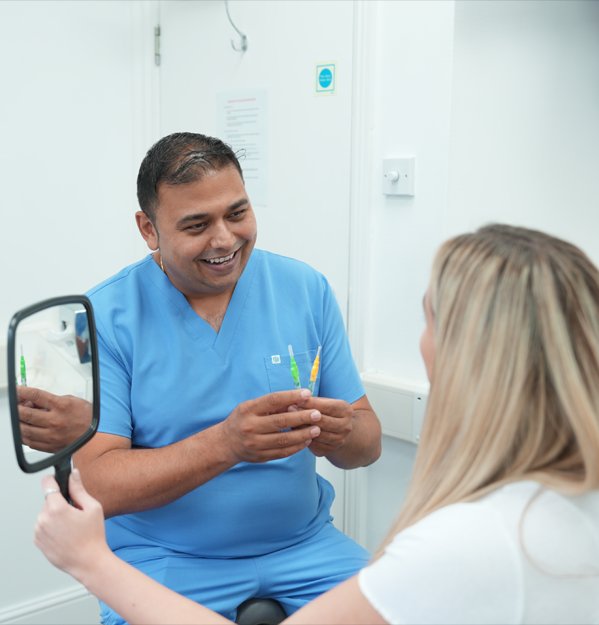
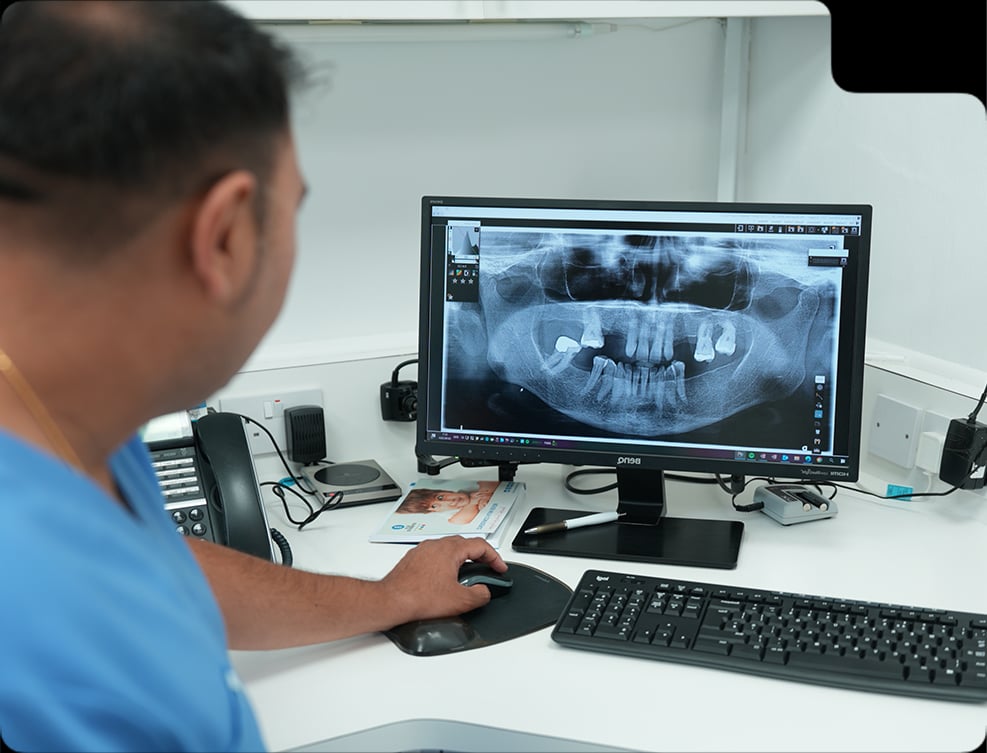
A dentist or hygienist assesses gum health before recommending care. The assessment uses a assessment of the gums, teeth and supporting structures together with a discussion of your concerns to form a clear picture of what is happening in your mouth.

Recommendations follow from what the clinician finds and from your own priorities. Options are explained so you can understand likely commitments, limitations and fees and give informed consent to any proposed care.
image

How Care May Be Managed

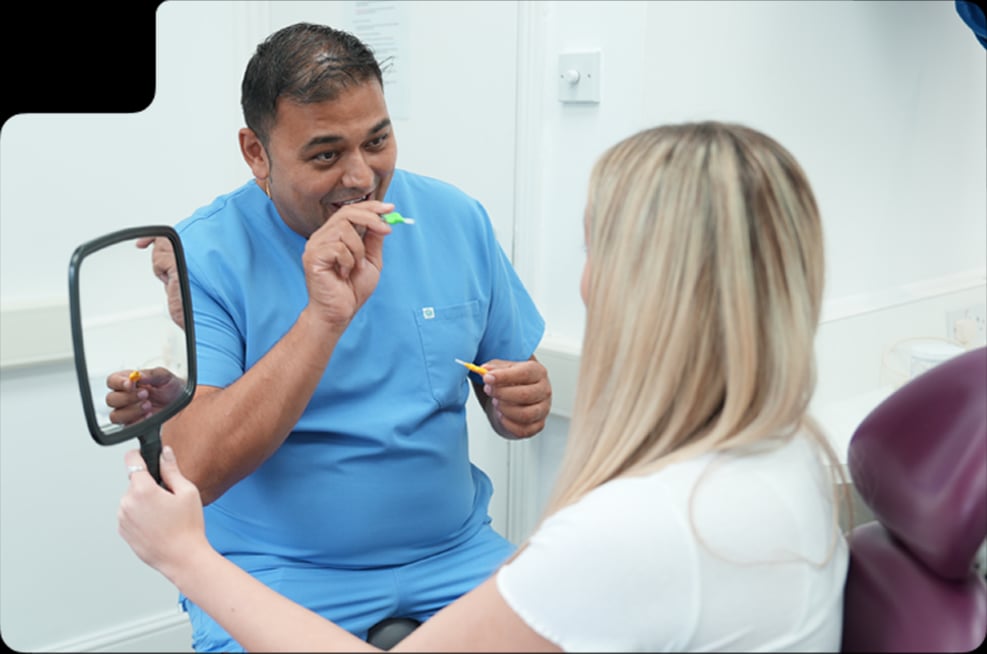
Care for gum disease may include a range of professional and at-home measures depending on individual need. Possible elements include routine hygiene treatment, professional cleaning, deeper cleaning where required, home-care advice, monitoring and ongoing periodontal maintenance.

The aim of treatment is to help control gum disease, support healthier gums, reduce bleeding and inflammation where possible, and reduce the risk of further gum damage where possible. Individual response and maintenance needs vary, so recommendations are personalised after assessment.
image

Maintenance, Realistic Aims, Fees And Consent

Realistic aims of periodontal care include reducing bleeding and inflammation, improving home-care habits and helping control disease so the mouth is more stable. Outcomes vary between individuals and ongoing maintenance is often advised according to personal need.

Fees depend on the extent of gum disease, the type of care required and the number of appointments. Personalised fees are provided after assessment. Consent follows an explanation of findings, recommended care, limitations, likely maintenance, relevant alternatives and fees.

Periodontal care sits within your wider general dental care and overall oral-health planning.
image

Visiting Our High Wycombe Practice

Gum disease assessment and treatment described on this page are provided at Wycombe Dental Centre, 15 Amersham Hill, High Wycombe, HP13 6NR. If you live in Penn or the surrounding area you can attend the High Wycombe practice for assessment and care.

At the assessment we will review your gum health and explain likely care options, fees and consent so you can make an informed decision about any proposed care. Appointment type and number depend on individual clinical need and are decided after assessment.
image

Book A Gum Disease Consultation

If you are looking for gum disease treatment near Penn, call 01494 442922 or contact our team to arrange an assessment at Wycombe Dental Centre in High Wycombe. A dentist or hygienist will explain the findings, recommended care and personalised fees before treatment is agreed.

Frequently Asked Questions

Gingivitis may involve bleeding, redness or swelling of the gums, while periodontitis can involve gum pockets, gum recession, bone loss or loose teeth. A clinician can assess which condition is present and explain suitable care; book an assessment to get a clear diagnosis.

Treatment aims to help control gum disease, support healthier gums and reduce the risk of further gum damage where possible. Individual response varies, so an assessment is the best way to understand likely aims and commitments; book an assessment to discuss this with a clinician.

Loose teeth are a sign that needs clinical assessment of the supporting structures. A dentist or hygienist can assess the situation and explain likely care and monitoring options; book an assessment so you can discuss this in person.

Occasional bleeding can be an early sign of gum inflammation, and persistent or repeated bleeding is a reason to have a professional assessment. Arrange an assessment if bleeding continues so a clinician can review your gum health and discuss care options.

Some patients may need deeper cleaning while others may be managed with routine hygiene treatment and home-care advice; which care is appropriate depends on the assessment. Arrange an assessment to learn which options are likely for your situation.

Maintenance frequency varies according to individual response and ongoing needs. After assessment the clinician will explain likely monitoring and maintenance recommendations; arrange an assessment to get a personalised plan.

Get in touch

Our friendly team would love to hear from you.
Please tick this box to agree to our privacy policy before continuing.

Dental receptionist answering a phone call

Opening Hours

Monday
08:00 AM - 04:00PM
Tuesday
08:00 AM - 08:00PM
Wednesday
08:00 AM - 08:00PM
Thursday
08:00 AM - 08:00PM
Friday
08:00 AM - 04:00PM
Saturday
CLOSED
Sunday
CLOSED