Gum Disease Treatment Near Royal Grammar School

Gum disease can affect the gums and the supporting structures around the teeth and is usually signalled by bleeding gums, bad breath, loose teeth, gum recession or gum pockets. We focus on a careful, personalised assessment and treatment plan to help control disease and improve gum health, arrange a focused periodontal assessment if you notice any of these signs. Assessment and treatment are provided at Wycombe Dental Centre in High Wycombe. Call 01494 442922 to discuss an appointment.

01494 442922

15 Amersham Hill, High Wycombe, HP13 6NR
Care For People In The High Wycombe Area

We provide periodontal assessment and treatment for residents who are concerned about bleeding gums, bad breath, receding gums, loose teeth or gum pockets.

Our High Wycombe practice is available to residents across the town for assessment-led care delivered by our clinical team.

Persistent bad breath or a bad taste in the mouth; Loose teeth or a sense of tooth movement; Gum recession or noticing gum pockets.
image

What Gum Disease Means

Gum disease can range from gingivitis to periodontitis, affecting the gums and the supporting structures around the teeth. Understanding which stage is present helps decide appropriate care.

Gingivitis may involve bleeding, redness or swelling of the gums and usually responds to professional assessment and advice. Periodontitis can involve gum pockets, gum recession, bone loss or loose teeth and typically requires careful management to control the condition.
image

Signs That Should Prompt An Assessment

Bleeding gums, especially during or after cleaning, are a common reason to seek a periodontal assessment. If bleeding does not settle with regular home care, an assessment will assess your gum health and options.

Noticing changes to the structure of your mouth, such as loose teeth or receding gums, increases the urgency of an assessment because these signs relate to the tissues that support teeth. An early review allows discussion of realistic aims and possible treatments.

Persistent symptoms such as ongoing bad breath or a persistent bad taste are also valid reasons to arrange a periodontal assessment. These symptoms can indicate ongoing gum problems that deserve clinical review.
image

Assessment And Individual Treatment Planning

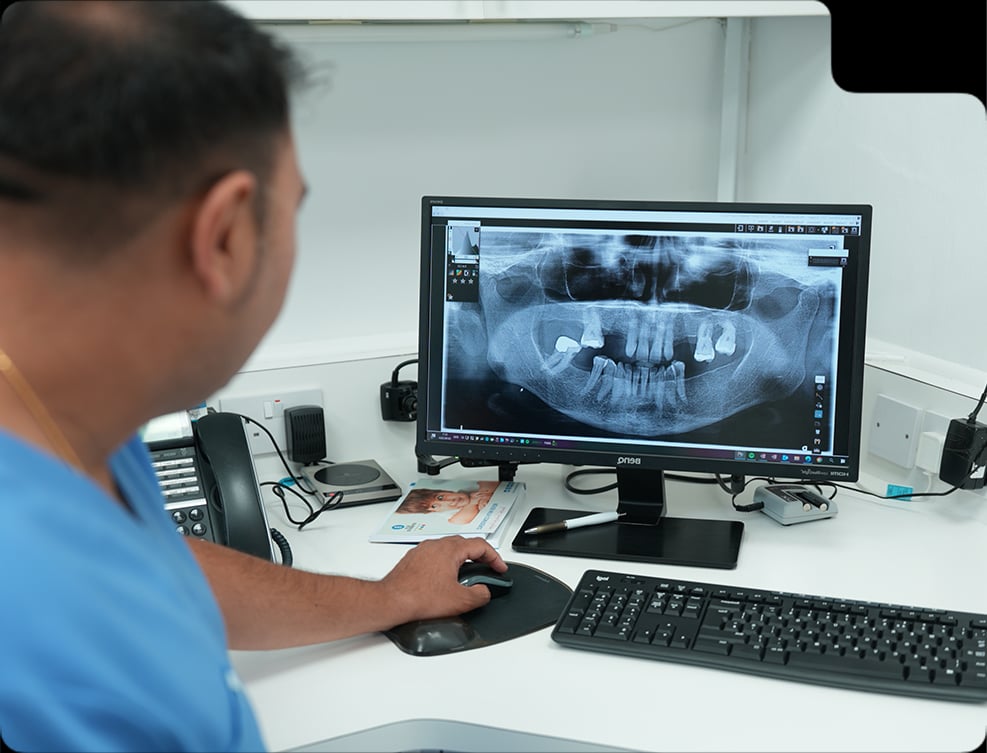
A dentist or hygienist will assess your gum health before recommending care and examine the gums, teeth and supporting structures to form a clinical view. This assessment informs a personalised plan that fits your findings and preferences.

After assessment we explain the findings, outline the recommended care options and discuss likely maintenance and fees before asking for consent. Any care recommended follows a clear explanation of limitations and relevant alternatives.
image

How Care May Be Managed

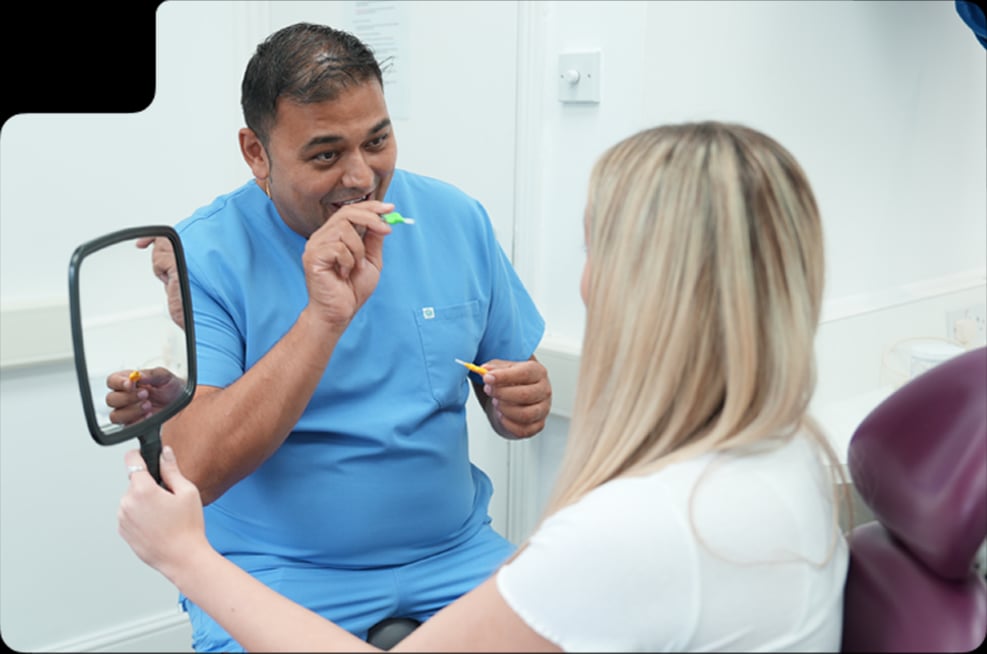
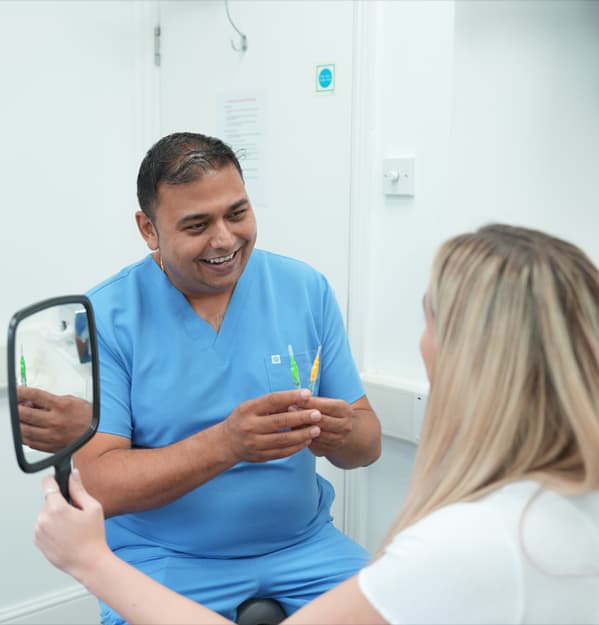
Care may include routine hygiene treatment, professional cleaning, deeper cleaning, home-care advice, monitoring and ongoing periodontal maintenance depending on individual need. Treatment aims are explained after assessment and adapted to how you respond.

Individual response, treatment needs and maintenance vary, so recommendations are personalised rather than fixed. Ongoing review helps decide whether further care is needed to help control gum disease and reduce the risk of further gum damage where possible.
  • Routine hygiene treatment
  • Professional cleaning
  • Deeper cleaning where clinically indicated
  • Tailored home-care advice
  • Monitoring and periodontal maintenance
image

Maintenance, Aims And Fees

Realistic aims of treatment are to help control gum disease, support healthier gums, reduce bleeding and inflammation, and remove plaque and tartar build-up where appropriate. How success is judged varies between patients and is checked at follow-up visits.

Fees depend on the extent of gum disease, type of care required and number of appointments, and personalised fees are provided after assessment. Consent follows a clear explanation of findings, recommended care, limitations, likely maintenance, relevant alternatives and fees.

Periodontal care sits within your wider general dental care and overall oral-health planning.
image

Visiting Our High Wycombe Practice

Wycombe Dental Centre is located at 15 Amersham Hill, High Wycombe, HP13 6NR. For orientation, the Royal Grammar School is a long-established selective boys' grammar school in High Wycombe.

Appointment type and number depend on individual clinical need and are confirmed after the initial assessment. If you are unsure whether to book a periodontal assessment, please call us to discuss your concerns.
image

Book A Gum Disease Consultation

If you are looking for gum disease treatment near Royal Grammar School, call 01494 442922 or contact our team to arrange an assessment at Wycombe Dental Centre in High Wycombe. A dentist or hygienist will explain the findings, recommended care and personalised fees before treatment is agreed.

Frequently Asked Questions

Gingivitis may involve bleeding, redness or swelling of the gums, while periodontitis can involve gum pockets, gum recession, bone loss or loose teeth. A clinical assessment distinguishes the stage and guides recommended care.

Treatment aims are to help control gum disease and reduce the risk of further gum damage where possible rather than guaranteeing a cure. An assessment will clarify realistic aims for your situation and the likely maintenance needed.

A loose tooth is a sign that needs prompt assessment so the clinician can determine the cause and discuss possible options. Contact us to arrange an assessment and we will explain what can be done next based on the findings.

Bleeding gums are a common reason to seek an assessment because they can indicate gum inflammation or disease. Arrange a focused periodontal assessment so a clinician can examine your gums and recommend appropriate care.

Deeper cleaning is one of several care options that may be recommended depending on assessment findings. A dentist or hygienist will advise whether this is appropriate after reviewing your gum and tooth status.

Maintenance frequency varies according to individual response, treatment needs and clinical findings. Your clinician will recommend a maintenance plan tailored to your situation after assessment.

Get in touch

Our friendly team would love to hear from you.
Please tick this box to agree to our privacy policy before continuing.

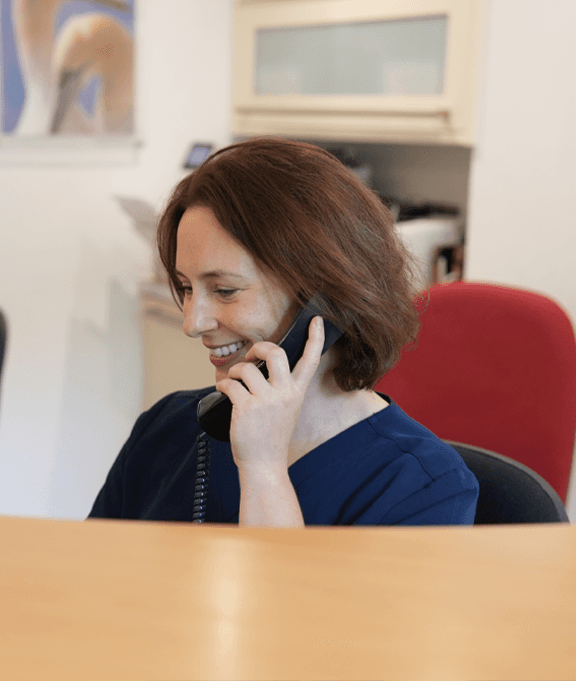
Dental receptionist answering a phone call

Opening Hours

Monday
08:00 AM - 04:00PM
Tuesday
08:00 AM - 08:00PM
Wednesday
08:00 AM - 08:00PM
Thursday
08:00 AM - 08:00PM
Friday
08:00 AM - 04:00PM
Saturday
CLOSED
Sunday
CLOSED