Gum Disease Treatment Near Totteridge

If your gums are bleeding, swollen or you notice loose teeth, a focused periodontal assessment can help reduce the risk of further gum damage where possible. Assessment and treatment are provided at Wycombe Dental Centre in High Wycombe. Call 01494 442922 to discuss an appointment.

01494 442922

15 Amersham Hill, High Wycombe, HP13 6NR
A Practical Option For People Living Near Totteridge

If you live in Totteridge and are concerned about bleeding gums, persistent gum inflammation or other changes around your teeth, coming to High Wycombe for an assessment is an option worth considering.

Early attention to worrying signs can reduce the chance of more invasive care later by helping clinicians form a clear picture of current gum health. We will explain what we check and how that shapes a personalised plan suited to your needs rather than offering fixed promises about outcomes.
image

What Gum Disease Means

Early gum problems often present as inflammation limited to the gum margin, while more advanced disease can affect the tissues and the supporting structures around the teeth. The condition ranges from milder gum inflammation to more extensive involvement that may include gum pockets, gum recession, bone loss or loose teeth.

Understanding where someone sits on that spectrum matters because the clinical aims and likely care differ. Our focus is on clarifying the stage through assessment and recommending options intended to help control gum disease, support healthier gums and reduce the risk of further gum damage where possible.
image

Signs That Mean An Assessment Is Sensible

Symptoms that suggest you should arrange an assessment include bleeding gums, ongoing gum inflammation and persistent bad breath. These signs can indicate active gum problems that benefit from clinical evaluation rather than being left without review.

A single symptom can have different causes, and assessment identifies whether the issue is related to gum disease or another local factor. That distinction matters because it determines which forms of care may be appropriate and how clinicians decide what to recommend.
  • Bleeding gums
  • Gum inflammation (redness, swelling)
  • Persistent bad breath
  • Gum recession
  • Loose teeth
  • Gum pockets or a history of gum disease
image

How Assessment And Planning Work

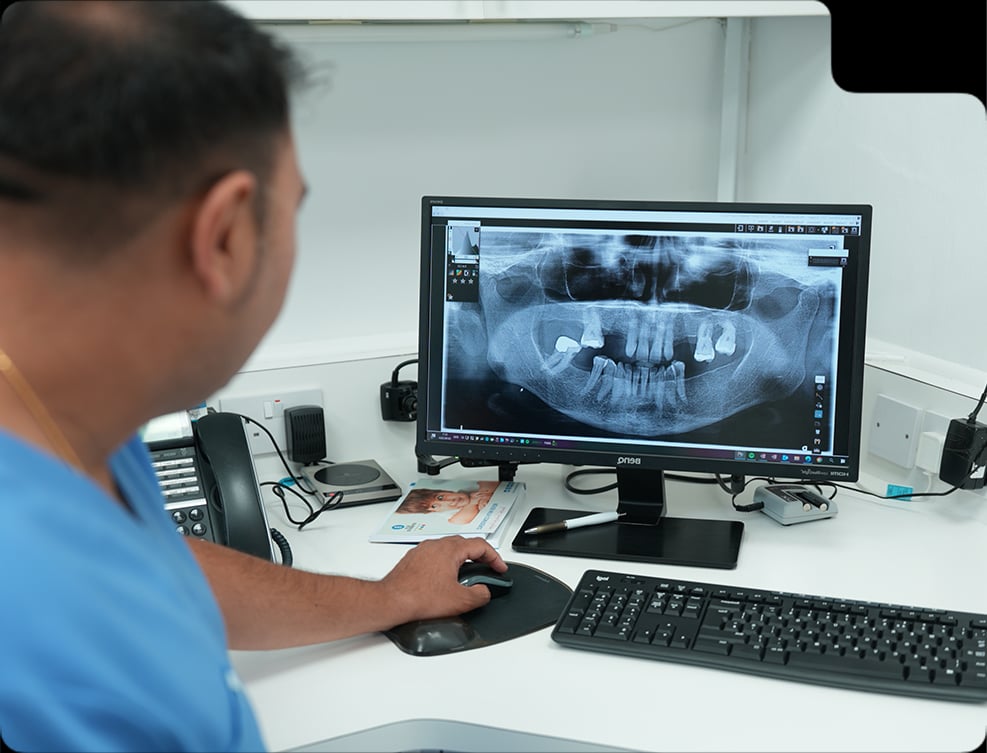
Assessment looks beyond one symptom to build an individualised plan; a dentist or hygienist examines the gums, teeth and supporting structures before recommending care. That examination, combined with a clinical history and discussion of your concerns, helps the clinician form realistic aims for treatment.

Because similar complaints can arise from different patterns of disease or dental circumstances, assessment is important for producing a treatment recommendation that fits your situation. A clear explanation of findings, the scope of recommended care, likely maintenance and options will be provided before any decision about treatment is made.
image

How Care May Be Managed

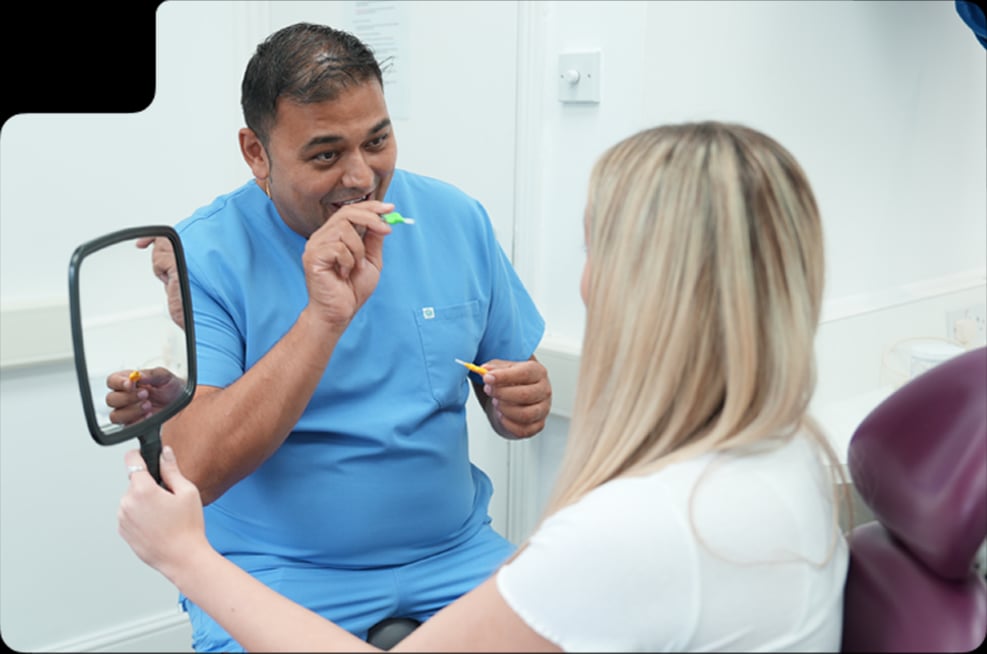
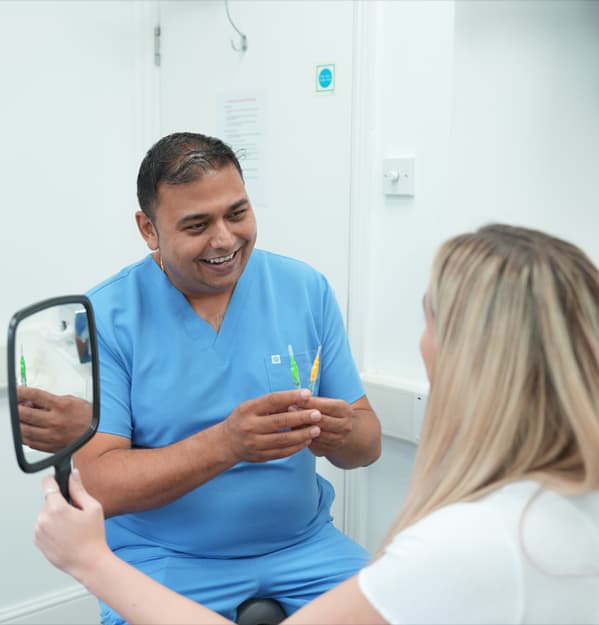
How care may be managed varies by need; care may include routine hygiene treatment, professional cleaning, deeper cleaning, home-care advice, monitoring and ongoing periodontal maintenance according to need. Treatment aims are to help control gum disease, support healthier gums, reduce bleeding and inflammation where possible and remove plaque and tartar build-up where appropriate.

Clinicians judge progress by clinical signs and symptoms, and recommendations about ongoing reviews and maintenance are personalised. Individual response, treatment needs and maintenance vary, so plans are tailored rather than fixed.
image

Maintenance, Realistic Aims, Consent And Fees

Regular review is used to determine the necessary ongoing approach, with frequency varying according to individual need.

Consent follows a clear explanation of findings, recommended care, likely maintenance, relevant alternatives and fees. Fees depend on the extent of gum disease, the type of care required and the number of appointments; personalised fees are provided after assessment so you understand the likely cost before you proceed.

Periodontal care sits within your wider general dental care and overall oral-health planning.
image

Visiting Our High Wycombe Practice

Visiting our High Wycombe practice means attending 15 Amersham Hill, High Wycombe, HP13 6NR for assessment and any recommended treatment. People who live in Totteridge, which sits in the London Borough of Barnet near areas such as Whetstone, Barnet and Finchley, may travel to High Wycombe to use our private services.
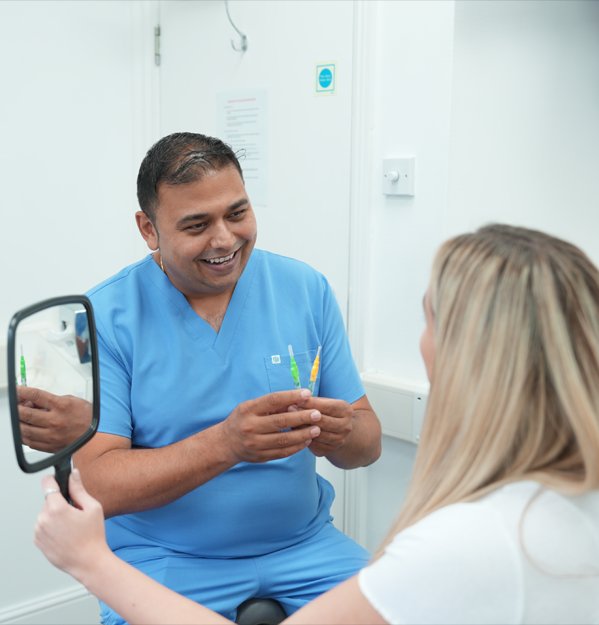
Appointments are offered based on individual clinical need and the type and number of visits required will be confirmed following the assessment.
image

Book A Gum Disease Consultation

If you are looking for gum disease treatment near Totteridge, call 01494 442922 or contact our team to arrange an assessment at Wycombe Dental Centre in High Wycombe. A dentist or hygienist will explain the findings, recommended care and personalised fees before treatment is agreed.

Frequently Asked Questions

They are different points on the same condition spectrum. Gingivitis is gum inflammation that may include bleeding, redness or swelling, while periodontitis involves deeper involvement such as gum pockets, recession, bone loss or loose teeth; a clinical assessment distinguishes the current situation and informs which forms of care and monitoring are appropriate.

Control and maintenance are the realistic aims rather than promises of complete reversal for advanced changes. Care recommendations set personalised goals, and any proposed interventions are explained along with likely maintenance needs and fees before you give consent to proceed.

A loose tooth should be assessed to determine its cause and the realistic options available.

Not always.

Not necessarily; deeper cleaning may be one option depending on what the assessment finds. If it is recommended, the clinician will explain what the treatment aims to achieve, how it fits with ongoing monitoring and what to expect from the proposed care.

Maintenance frequency varies with individual need and clinical response. After assessment we provide a personalised recommendation that explains why a particular review interval is suggested and what clinical signs will guide any changes to that plan.

Get in touch

Our friendly team would love to hear from you.
Please tick this box to agree to our privacy policy before continuing.

Dental receptionist answering a phone call

Opening Hours

Monday
08:00 AM - 04:00PM
Tuesday
08:00 AM - 08:00PM
Wednesday
08:00 AM - 08:00PM
Thursday
08:00 AM - 08:00PM
Friday
08:00 AM - 04:00PM
Saturday
CLOSED
Sunday
CLOSED