Gum Disease Treatment Near Wycombe Abbey

Are you noticing bleeding, persistent gum swelling or a new feeling of looseness in a tooth? It is common to feel unsure about what to do next; an early assessment can clarify what is happening and what options are available. This page helps you check key signs, understand what an assessment involves and plan possible care at our High Wycombe practice. Call 01494 442922 to discuss an appointment.

01494 442922

15 Amersham Hill, High Wycombe, HP13 6NR

Who This Page Is For

If you live, work or study near Wycombe Abbey or elsewhere in the High Wycombe area and are worried about your gums, this page is written for you. It aims to give clear, practical information so you can decide whether to arrange a professional assessment.

You will find a short symptoms checklist, a plain-language explanation of what an assessment involves, and a summary of the kinds of care that may be recommended.
  • Noticing bleeding or persistent gum inflammation
  • Concerned about bad breath that does not improve
  • Seeing gum recession or changes in gum appearance
  • Feeling that a tooth has become loose
  • Caring for someone who attends a nearby school and has gum problems
image

What Gum Disease Means

Gum disease can affect the gums and the supporting structures around the teeth.

Gingivitis may involve bleeding, redness or swelling. These signs indicate the gums are inflamed and that a professional review is advisable.

Periodontitis can involve gum pockets, gum recession, bone loss or loose teeth. Identifying whether changes are limited to inflammation or include these features is why a professional assessment matters.
image

Signs And Reasons To Seek Assessment

A short symptom check can help you decide whether to book a clinical review. If several of the following concerns affect you, a dentist or hygienist can assess your gum health and extent.

An assessment identifies the severity of any gum problem and the likely causes so that appropriate options can be discussed. It is a diagnostic step, not an automatic start to invasive care.
  • Bleeding gums
  • Gum inflammation
  • Bad breath that does not improve
  • Gum recession
  • Loose teeth
  • A history of gum disease
image

Assessment And Individual Planning

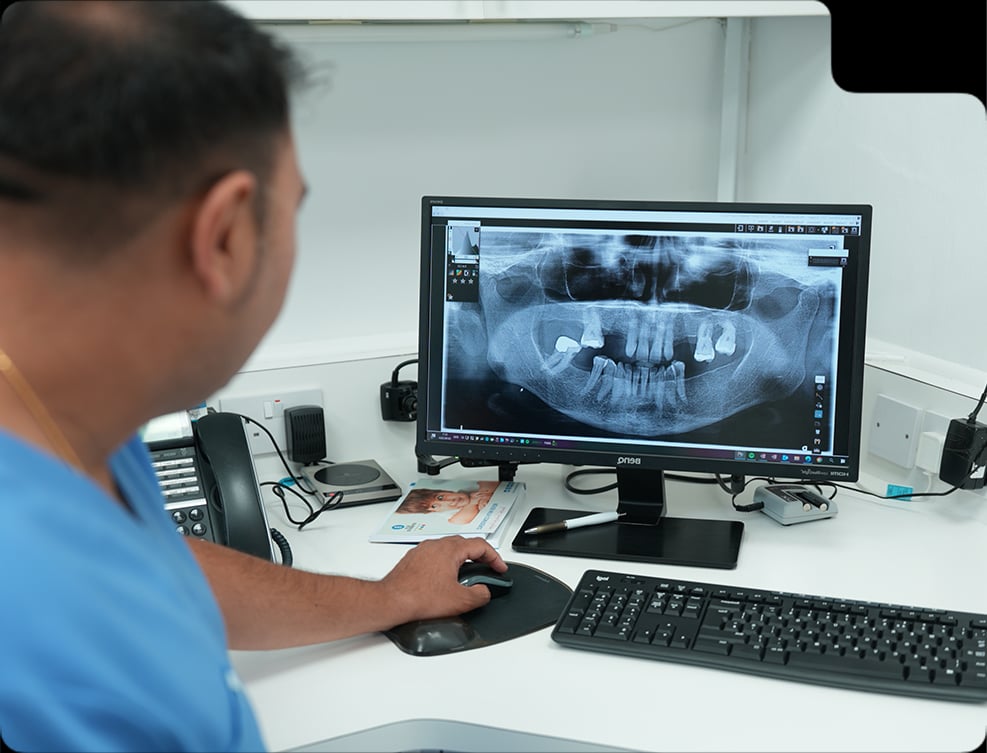
A dentist or hygienist assesses gum health before recommending care. The assessment is based on your history and an examination that may include the gums, teeth and supporting structures.

After the examination you will be told what was found and why it matters. Recommended options, their likely aims and any limitations are explained so you can give informed consent before any treatment proceeds.
image

How Care May Be Managed

Care depends on the assessment. Depending on individual need, care may include routine hygiene treatment, professional cleaning, deeper cleaning, home-care advice, monitoring and ongoing periodontal maintenance.

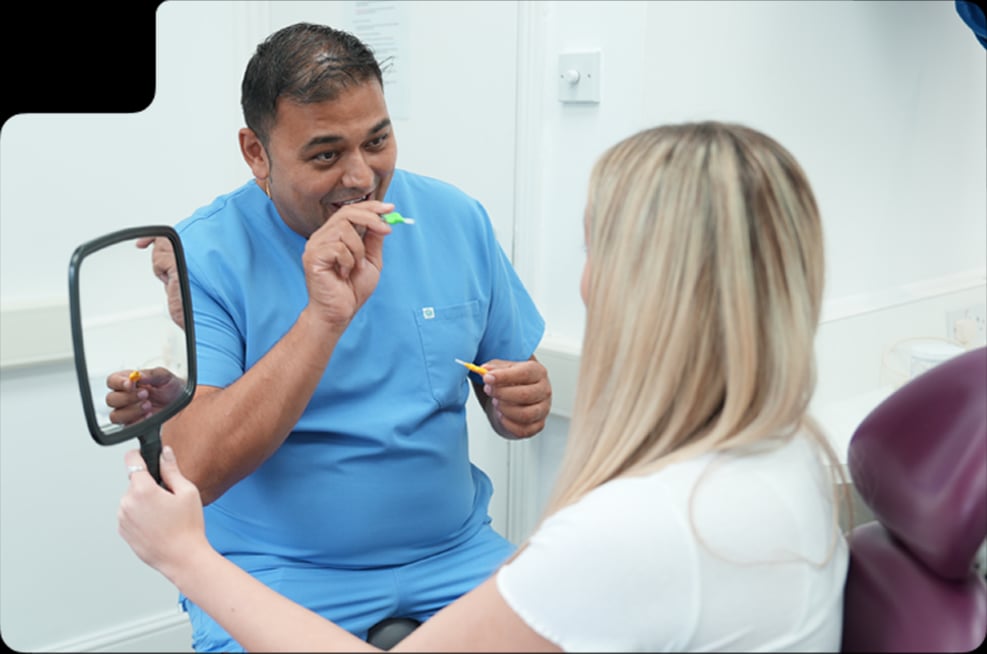
Some patients may need routine hygiene care and focused home cleaning; others may need deeper cleaning, monitoring or additional periodontal care. Personalised recommendations follow assessment and informed consent.
  • Routine hygiene treatment
  • Professional cleaning
  • Deeper cleaning where required
  • Home-care advice to support oral hygiene
  • Regular monitoring and ongoing periodontal maintenance
image

Maintenance, Realistic Aims And Fees

Treatment aims are to help control gum disease, support healthier gums, reduce bleeding and inflammation, remove plaque and tartar build-up where appropriate, improve home-care habits and reduce the risk of further gum damage where possible.

Individual response, treatment needs and maintenance vary. How often you are reviewed will be recommended according to your personal clinical situation.

Fees depend on the extent of gum disease, type of care required and number of appointments. Personalised fees follow assessment and are provided before you agree to treatment. Consent follows a clear explanation of findings, recommended care, limitations, likely maintenance, relevant alternatives and fees.

Periodontal care sits within your wider general dental care and overall oral-health planning.
image

Visiting Our High Wycombe Practice

Wycombe Abbey is a longstanding private girls' boarding and day school established in the 19th century and sited in High Wycombe. Authoritative mapping and place records locate Wycombe Abbey within High Wycombe, Buckinghamshire.

Gum disease assessment and treatment described on this page are provided at our High Wycombe practice at 15 Amersham Hill, High Wycombe, HP13 6NR. Patients from the Wycombe Abbey area and wider High Wycombe may attend for assessment and treatment.

Appointment type and the number of visits required depend on individual clinical need. At your visit the clinician will explain findings, discuss recommended options and provide a personalised fee estimate before any care proceeds.
image

Book A Gum Disease Consultation

If you are looking for gum disease treatment near Wycombe Abbey, call 01494 442922 or contact our team to arrange an assessment at Wycombe Dental Centre in High Wycombe. A dentist or hygienist will explain the findings, recommended care and personalised fees before treatment is agreed.

Frequently Asked Questions

It's understandable to be unsure and worth checking with a clinician. Gingivitis may involve bleeding, redness or swelling, while periodontitis can involve gum pockets, gum recession, bone loss or loose teeth. If you are uncertain, arrange an assessment so a dentist or hygienist can explain what is happening and advise on options.

It's sensible to ask about realistic aims before starting care. Treatment aims are to help control gum disease, support healthier gums, reduce bleeding and inflammation, remove plaque and tartar build-up where appropriate, improve home-care habits and reduce the risk of further gum damage where possible. Discuss expected aims and limitations with the clinician at your assessment.

A loose tooth is understandably worrying and should be checked promptly. Periodontitis can involve loose teeth, and an assessment is needed to determine the cause and discuss suitable options.

It's reasonable to be concerned and seek advice. Bleeding can be a sign of gingivitis or other gum inflammation, and a dentist or hygienist assesses gum health before recommending care. Book an assessment if bleeding continues or you have other worries.

It's normal to wonder whether deeper cleaning will be needed. Depending on clinical findings, care may include deeper cleaning as one option alongside professional and routine hygiene treatment, home-care advice and monitoring. Your clinician will explain whether deeper cleaning is recommended for your situation during the assessment.

It's sensible to plan for ongoing review while recognising that needs vary. Individual response, treatment needs and maintenance vary, and the clinician will recommend a maintenance plan tailored to your clinical circumstances after assessment. Discuss the suggested recall plan and any associated fees at your appointment.

Get in touch

Our friendly team would love to hear from you.

Please tick this box to agree to our privacy policy before continuing.

Dental receptionist answering a phone call

Opening Hours

Monday
08:00 AM - 04:00PM
Tuesday
08:00 AM - 08:00PM
Wednesday
08:00 AM - 08:00PM
Thursday
08:00 AM - 08:00PM
Friday
08:00 AM - 04:00PM
Saturday
CLOSED
Sunday
CLOSED