Gum Disease Treatment Near Wycombe Railway Station

Noticing your gums have changed and unsure what it means? We can assess your gum health at Wycombe Dental Centre and explain realistic options and ongoing care. Assessment and treatment are provided at Wycombe Dental Centre in High Wycombe. Call 01494 442922 to discuss an appointment.

01494 442922

15 Amersham Hill, High Wycombe, HP13 6NR
Are You Near The Station And Worried About Your Gums?

A focused assessment at Wycombe Dental Centre can clarify what is happening and whether professional care is advisable.

Do you live or work in High Wycombe and want treatment locally? Wycombe Dental Centre is based in High Wycombe and provides gum disease assessment and treatment for patients from across the town.

Contacting us to arrange an assessment puts a clinical review first so a dentist or hygienist can examine your gums, teeth and supporting structures and recommend care based on their findings.
  • Report recent changes such as bleeding, bad breath or notice of loose teeth
  • Mention any past gum disease or previous gum treatment during the review
  • Expect questions about how symptoms have developed and what you are noticing
  • Clinical findings and discussion guide suggested options and monitoring
image

What Gum Disease Means: Gingivitis Versus Periodontitis

What is the difference between a mild gum problem and more advanced disease? Gingivitis tends to involve signs on the gum surface such as bleeding, redness or swelling, while periodontitis can involve deeper changes including gum pockets, gum recession, bone loss or loose teeth.

Why does the distinction matter? Identifying which pattern is present helps a dentist or hygienist recommend the most appropriate care and monitoring tailored to the individual.

Early assessment provides the information needed to explain likely aims of treatment, possible care options and what ongoing checks might be required.

The practice's gum disease treatment information explains the periodontal care available at Wycombe Dental Centre in High Wycombe.
  • Gingivitis: bleeding, redness, swelling
  • Gingivitis: signs are usually noticed on the gum surface and during cleaning
  • Gingivitis: assessment clarifies suitable care and monitoring
  • Periodontitis: may include gum pockets, recession, bone loss or loose teeth
  • Periodontitis: clinical assessment identifies the nature and extent of involvement
  • Periodontitis: assessment guides whether deeper cleaning and maintenance are appropriate
image

Which Signs And History Prompt An Assessment?

Have you noticed bleeding, bad breath or a change in your gums? Any of these concerns are valid reasons to seek an assessment so a clinician can examine the gums, teeth and supporting structures.

Do you have a history of gum disease or previous treatment? Past issues are relevant because they inform the clinical review and ongoing recommendations from a dentist or hygienist.

Are symptoms changing or persistent? An assessment aims to record current concerns, review relevant history and explain what findings mean for possible care and monitoring.
  • Bleeding gums during or after cleaning
  • Persistent or worsening gum inflammation
  • New or ongoing bad breath linked to gum symptoms
  • Gum recession noted by you or a previous clinician
  • Loose teeth or a sense of tooth movement
  • A past history of gum disease reported to the practice
image

What Happens At An Assessment And How Is A Plan Made?

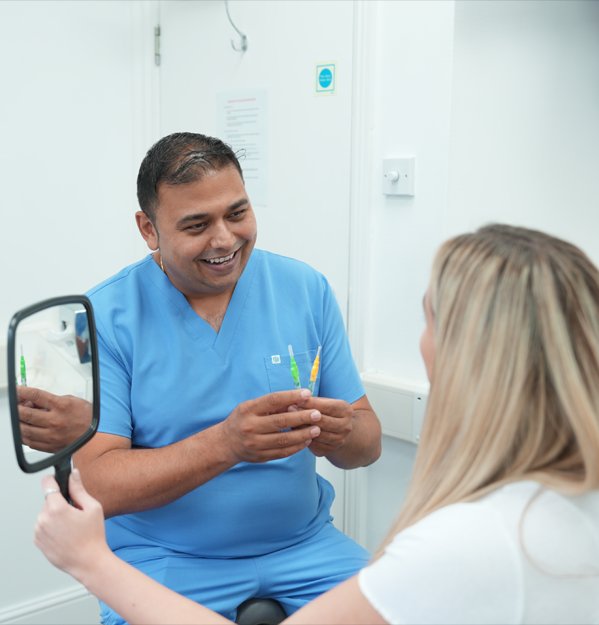
A dentist or hygienist will discuss your concerns and review any relevant dental history before carrying out a assessment of the gums, teeth and supporting structures.

How are findings used to recommend care? The examiner will explain observations and describe care options that may be appropriate, aligning suggested steps with your needs and preferences.

Will there be a clear summary afterwards? At the end of the visit you will receive an explanation of the findings and the suggested approach, including the likely aims of any recommended care and according to individual need for monitoring or treatment.
  • Discussion of current concerns and dental history
  • Assessment of gums, teeth and supporting structures
  • Clear explanation of findings in plain language
  • A suggested plan of care and monitoring suited to your needs
image

How Care May Be Managed After Assessment

What kinds of care might be recommended? Depending on need, care may include routine hygiene treatment, professional cleaning, deeper cleaning, home-care advice, monitoring and ongoing periodontal maintenance.

How will the clinician explain choices? Recommendations will be presented as options that relate to the clinical findings so you can decide which approach feels right for you.

What should you expect from follow-up? The clinician will describe the likely aims of the chosen care, how progress will be checked and how maintenance may be advised according to individual need.
  • Oral hygiene instruction and personalised home-care advice
  • Routine hygiene visits provided by dental staff
  • Professional cleaning carried out where indicated
  • Deeper cleaning offered when clinically required
  • Regular monitoring to review progress
  • Ongoing periodontal maintenance arranged as needed
image

Maintenance, Realistic Aims, Fees And Consent

What can you realistically expect from treatment? Treatment aims to help control gum disease, support healthier gums, reduce bleeding and inflammation, remove plaque and tartar build-up where appropriate, improve home-care habits and reduce the risk of further gum damage where possible.

How often will reviews be needed? Maintenance frequency varies and is recommended according to individual need; the clinician will explain a personalised approach after assessment.

What about fees and consent? Fees depend on the extent of gum disease, type of care required and number of appointments; personalised fees follow assessment, and consent follows a clear explanation of findings, recommended care, limitations, likely maintenance, relevant alternatives and fees.

Periodontal care sits within your wider general dental care and overall oral-health planning.
  • Realistic aims focus on control and symptom reduction
  • Maintenance schedules are personalised to each patient
  • Fees are based on the findings and recommended care
  • Written consent follows a full explanation of options
image

Visiting Our High Wycombe Practice

Assessment and treatment are provided at Wycombe Dental Centre, 15 Amersham Hill, High Wycombe, HP13 6NR.

What should determine your appointment type? The number and type of appointments depend on individual clinical need identified during assessment and will be explained when you book.

How can the practice help with urgent symptoms?
  • Practice address: 15 Amersham Hill, High Wycombe, HP13 6NR
  • Telephone: 01494 442922 for appointment enquiries
  • Appointment type and number depend on clinical findings
  • Report urgent gum symptoms to the practice promptly
image

Book A Gum Disease Consultation

If you are looking for gum disease treatment near Wycombe Railway Station, call 01494 442922 or contact our team to arrange an assessment at Wycombe Dental Centre in High Wycombe. A dentist or hygienist will explain the findings, recommended care and personalised fees before treatment is agreed.

Frequently Asked Questions

Gingivitis commonly shows as bleeding, redness or swelling of the gums, while more advanced disease can involve gum pockets, recession, bone loss or loose teeth. A dentist or hygienist can examine your mouth and explain which pattern fits your signs and what care options may be relevant.

The clinician will explain the realistic aims of any recommended care and what ongoing maintenance may be needed.

Loose teeth are a clinical sign that needs assessment so the examiner can describe possible approaches and likely aims. After review, the clinician will explain what care options may be considered and what outcomes can be expected.

Occasional bleeding is a sign worth checking; an assessment records what you are noticing and explains whether professional care or monitoring is recommended. If bleeding is heavy or persistent, contact the practice for advice.

Deeper cleaning is one of several care options that may be appropriate depending on the clinical assessment; a dentist or hygienist will explain why it may be recommended and how it fits with other suggested care. The assessment determines which measures are suitable for your situation.

Maintenance frequency varies and is recommended according to individual need following assessment. The clinician will outline a personalised maintenance plan and explain how progress will be reviewed over time.

Get in touch

Our friendly team would love to hear from you.
Please tick this box to agree to our privacy policy before continuing.

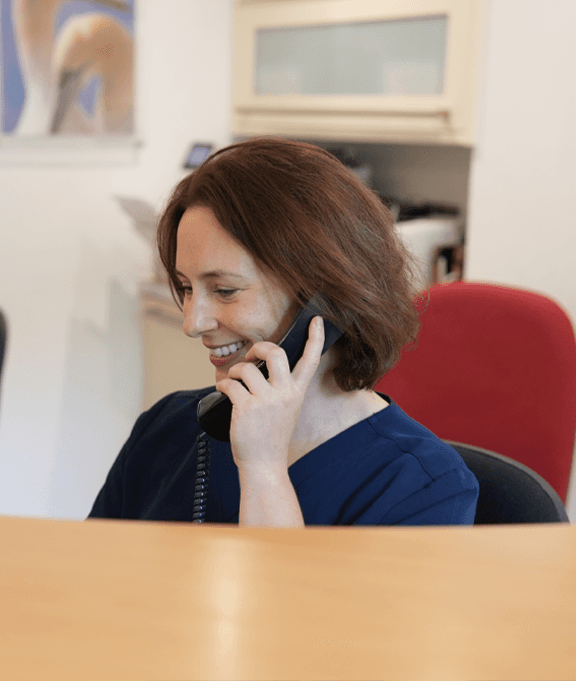
Dental receptionist answering a phone call

Opening Hours

Monday
08:00 AM - 04:00PM
Tuesday
08:00 AM - 08:00PM
Wednesday
08:00 AM - 08:00PM
Thursday
08:00 AM - 08:00PM
Friday
08:00 AM - 04:00PM
Saturday
CLOSED
Sunday
CLOSED