Root Canal Treatment Near Stokenchurch

If you live in Stokenchurch and have a tooth that keeps aching, or your dentist has mentioned root canal treatment, Wycombe Dental Centre can help at its High Wycombe practice. We assess the tooth, including with X-rays, and explain your options before any treatment begins. If the inside of a tooth has become infected or inflamed, treatment can help ease pain and keep a tooth that might otherwise need removal.
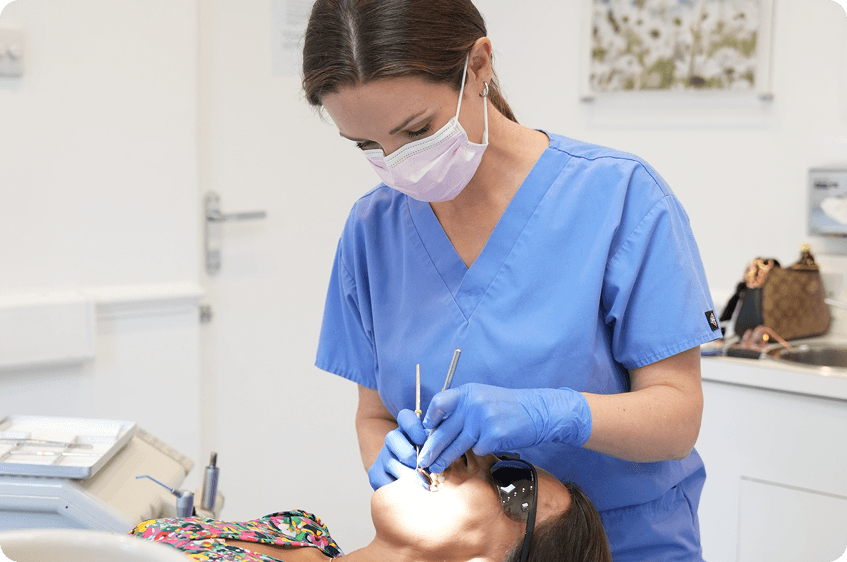
Root Canal Treatment For Patients From Stokenchurch

Root canal treatment for patients from Stokenchurch is provided at Wycombe Dental Centre in High Wycombe.

Stokenchurch is a village on the Chiltern ridge to the north-west of High Wycombe, close to the Oxfordshire border.

If you live in Stokenchurch and are arranging root canal treatment at our High Wycombe practice, plan for the possibility of more than one visit. When you book we will outline the likely stages and aftercare so you can arrange follow-up visits and allow time for recovery and checks.

You can meet our dental team to learn more about who provides care at the practice.
image

What Root Canal Treatment Is And What It Aims To Do

When decay or damage reaches the soft tissue inside a tooth, bacteria can cause inflammation or infection of the pulp. Because the problem sits within the tooth, surface treatments cannot always reach it; an examination and X-rays help decide whether root canal treatment is necessary.

Root canal treatment removes infection or inflamed tissue from inside the tooth, helping to ease pain and keep the natural tooth where it can be restored. Keeping the tooth can restore chewing function with a filling or crown and may reduce the need for tooth replacement in suitable cases. The dentist will explain whether root canal treatment is the suitable option and outline alternatives if the tooth cannot be restored predictably.
image

Signs That A Tooth May Need Root Canal Treatment

Some infected teeth cause few or no obvious symptoms, which is why a clinical examination and X-rays are sometimes necessary. If you notice any of the following signs, tell the dentist so they can assess whether root canal treatment should be considered.

If you are unsure about a symptom or notice a change in a tooth, mention it during a check-up.
  • Toothache that does not settle or keeps returning
  • Pain when biting or chewing or when pressure is applied
  • Lingering sensitivity to hot or cold temperatures
  • Swelling of the gum or face, or a dental abscess
  • A tooth that looks darker than neighbouring teeth or has a deep cavity
  • An unpleasant taste or persistent bad breath linked to a problem tooth
image

What Happens During Root Canal Treatment

The dentist will examine the tooth and take X-rays to assess the extent of infection and the shape of the root canals. Local anaesthetic is used to numb the area so the work can be carried out comfortably during the appointment.

The infected or inflamed pulp is removed and the canals are carefully cleaned and shaped to reduce bacteria and debris. The canals are then filled and sealed to help stop bacteria re-entering and, once the internal work is complete, the tooth is restored with a filling or crown to bring back strength and function.

Some treatments are completed in a single visit and others need more, depending on the tooth, the infection and how complex the canals are. The dentist will explain the expected number of visits and give clear aftercare advice.
image

Who Is Suitable For Root Canal Treatment And How The Tooth Is Restored

Root canal treatment may be suitable when the inside of the tooth is infected or inflamed but the tooth can still be restored. The dentist assesses the remaining tooth structure, surrounding bone and gum health and how the tooth fits with your bite before recommending treatment. If the tooth is too badly damaged or cannot be restored predictably, other options will be discussed.

After root canal treatment the tooth is restored with either a filling or a crown. A crown may be recommended when a tooth has lost significant structure to protect it and restore function. Mild tenderness may follow and usually settles; the dentist will give aftercare guidance and advise on routine check-ups to monitor the restored tooth. Treated teeth can continue to function for many years with appropriate restoration and care.
image

Root Canal Fees And Number Of Visits

The cost of root canal treatment depends on the tooth being treated, how complex the root canals are and whether a filling or crown is needed afterwards.

Before treatment, you will receive information about the stages involved and the fees, so you can decide with a clear picture. The number of visits depends on the tooth, the infection and the canals.

For current root canal pricing, please see our fee guide or contact the practice.
image

Visiting Our High Wycombe Practice

Root canal treatment is provided at Wycombe Dental Centre, 15 Amersham Hill, High Wycombe, HP13 6NR. If you are travelling from Stokenchurch, to the north-west of High Wycombe, your assessment, treatment and any follow-up visits all take place here.

Opening hours are Monday and Friday from 8am to 4pm, and Tuesday to Thursday from 8am to 8pm. The later evenings from Tuesday to Thursday can be useful if you need to fit appointments around work.

Call 01494 442922 to arrange an assessment or ask a question about root canal treatment.
image

Book A Root Canal Appointment

If a tooth has been troubling you and you are looking for root canal treatment near Stokenchurch, call 01494 442922 or contact our team to arrange an assessment at our High Wycombe practice.

Frequently Asked Questions

Yes. Root canal treatment for patients from Stokenchurch is provided at Wycombe Dental Centre in High Wycombe. Call 01494 442922 or contact the practice to arrange an assessment.

A crown may be recommended if the tooth has lost a significant amount of structure. Your dentist will advise whether a filling or a crown is more suitable.

Not always. If a tooth is too badly damaged, cracked or cannot be restored predictably, another option may be discussed after the dentist has assessed it.

Local anaesthetic is used to numb the area during treatment. Some mild tenderness may follow and usually settles.

With good care and the right restoration, a treated tooth can continue to function well for many years. Regular check-ups help keep an eye on it.

The cost depends on the tooth, how complex the root canals are and whether a filling or crown is needed afterwards. For current pricing, please see the Wycombe Dental Centre fee guide or contact the practice.

Get in touch

Our friendly team would love to hear from you.

Please tick this box to agree to our privacy policy before continuing.

Dental receptionist answering a phone call

Opening Hours

Monday
08:00 AM - 04:00PM
Tuesday
08:00 AM - 08:00PM
Wednesday
08:00 AM - 08:00PM
Thursday
08:00 AM - 08:00PM
Friday
08:00 AM - 04:00PM
Saturday
CLOSED
Sunday
CLOSED